25–31 October 2026 2027 entries open 5 November
2027 entries

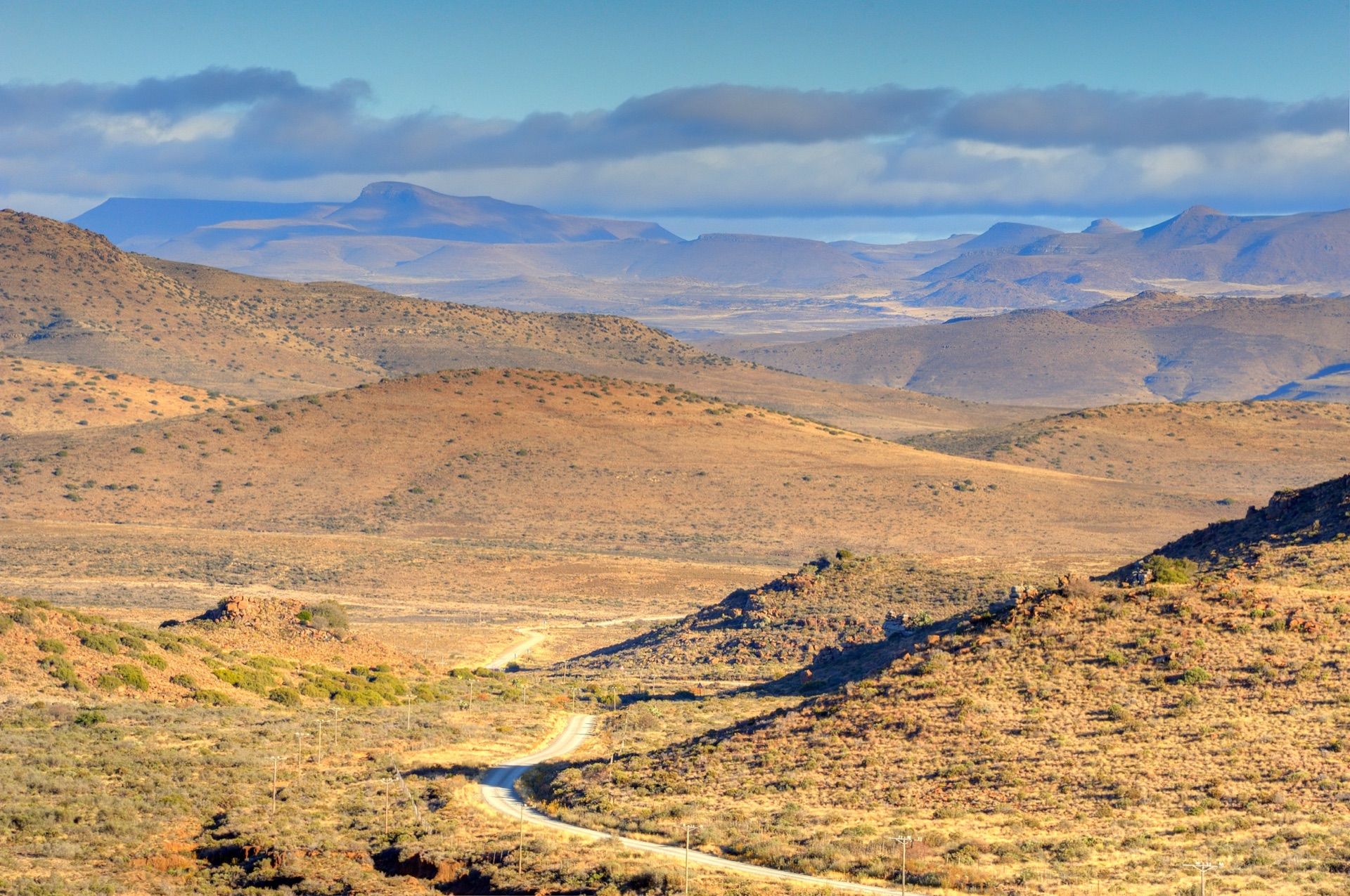
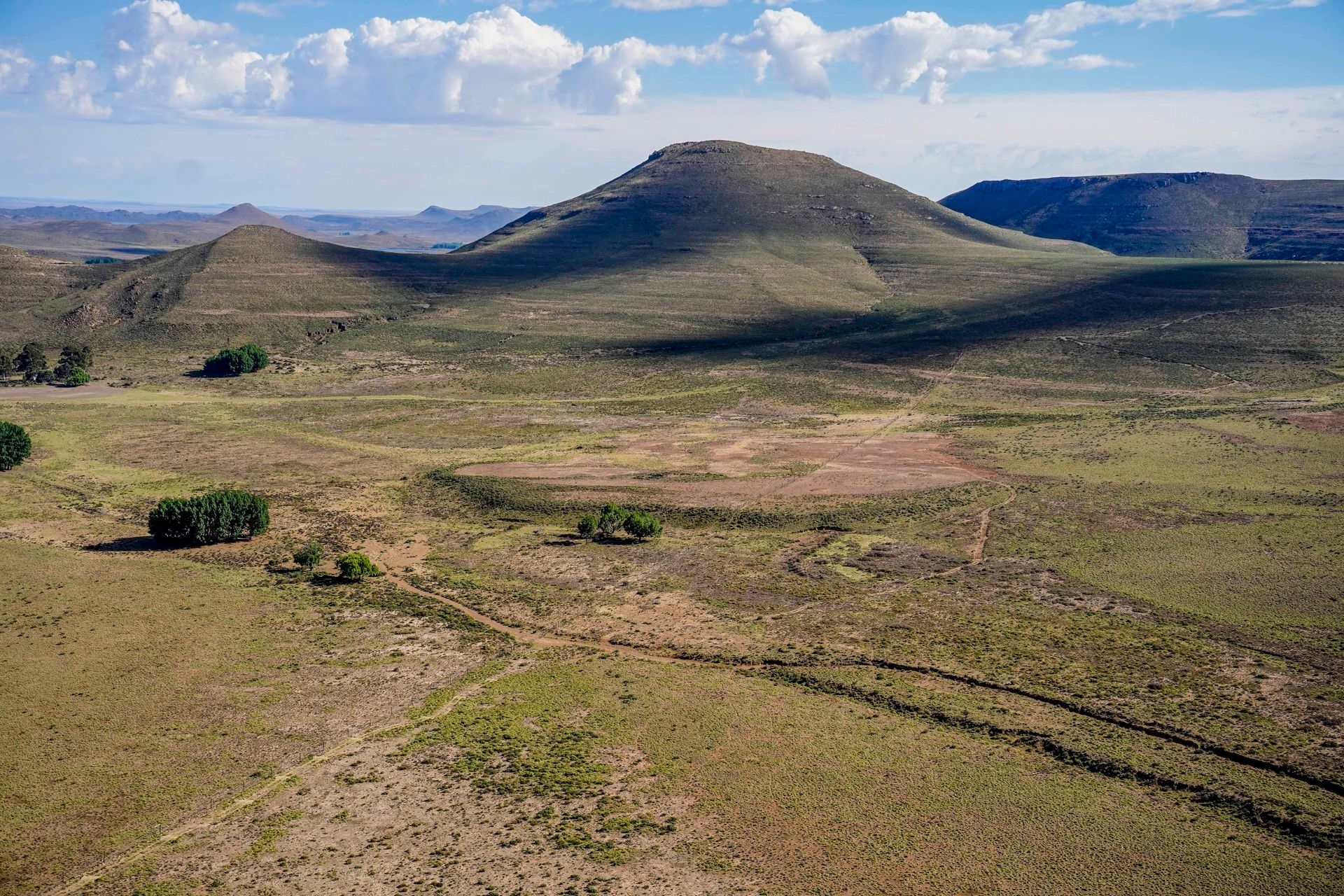
The Karoo is a semi-desert the size of a country, a high, dry tableland of open plains, flat-topped mountains and small towns far apart. In the Eastern Cape it meets the coastal thicket and grassland: five of South Africa’s seven biomes converge here, and in less than 20 kilometres the landscape can turn from arid scrub to green bushveld.

Along the route

Towns and places

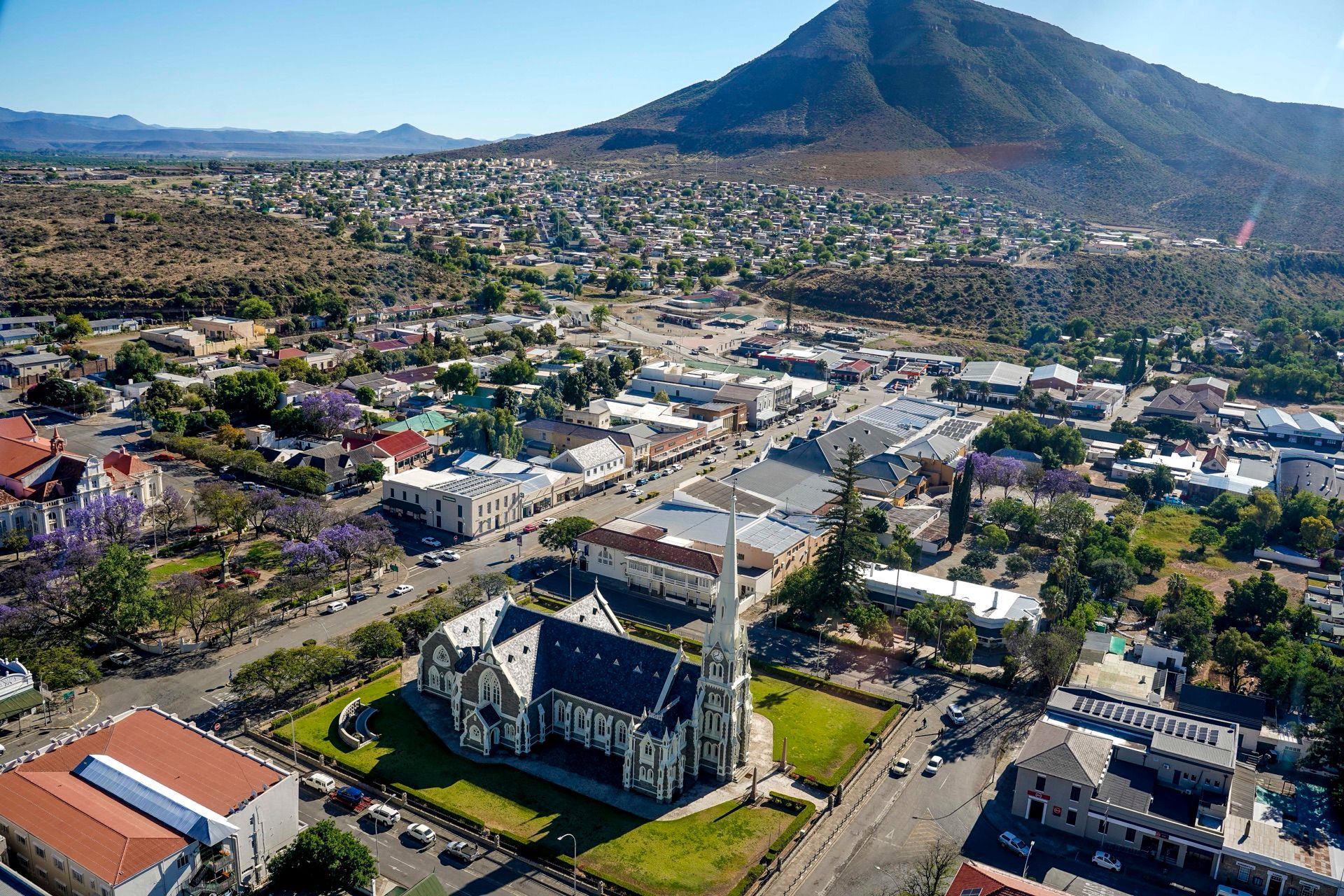
Graaff-Reinet from the air: the white Groot Kerk among the town’s streets, with the mountains behind

The start

Robert Sobukwe Town / Graaff-Reinet

Founded in 1786, South Africa’s fourth-oldest town sits in a bend of the Sundays River, ringed by the cliffs of Camdeboo National Park and the Valley of Desolation. Its streets hold more than 200 heritage buildings, from Cape Dutch homesteads to the Groot Kerk at the top of the main road.

Graaff-Reinet, founded in 1786, is South Africa's fourth-oldest town and was known by that name for almost 240 years. It has recently been renamed Robert Sobukwe Town, after the anti-apartheid leader who was born there.
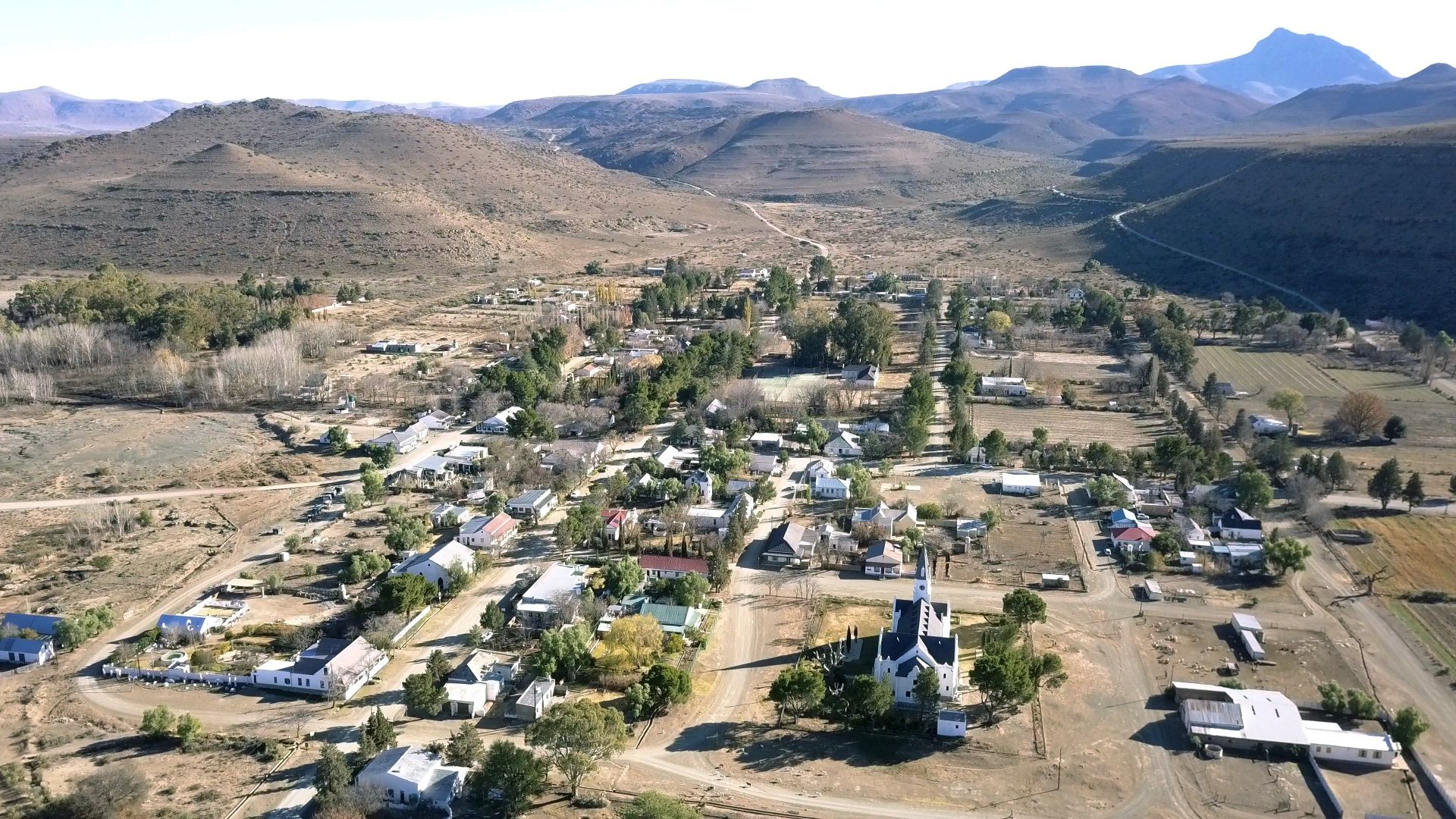
Nieu-Bethesda from the air: a small grid of streets and trees in a valley below the mountains

Stage 2

Nieu-Bethesda

A village of gravel streets at the foot of Compassberg. It is home to Helen Martins’ Owl House, filled with more than 300 concrete sculptures, which inspired Athol Fugard’s play The Road to Mecca, and to the Kitching Fossil Exploration Centre.

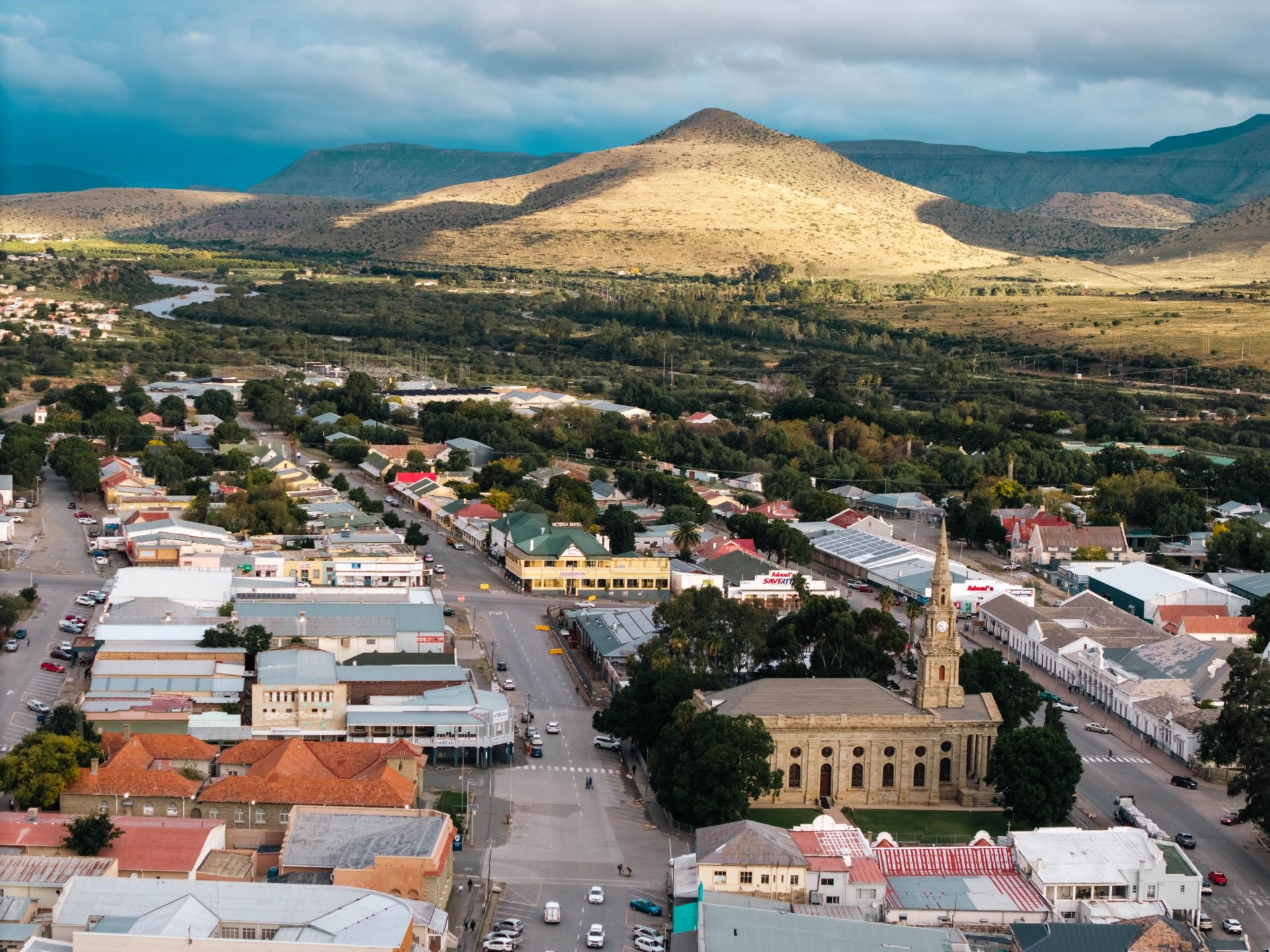
Cradock from the air: the Dutch Reformed church on the main street and the Great Fish River winding towards the hills

Stage 3

Nxuba / Cradock

A farming town on the Great Fish River, founded as a frontier post in 1814. Its Dutch Reformed church (1868) is modelled on St Martin-in-the-Fields in London. The writer Olive Schreiner lived and is buried nearby, and Mountain Zebra National Park lies just outside town.

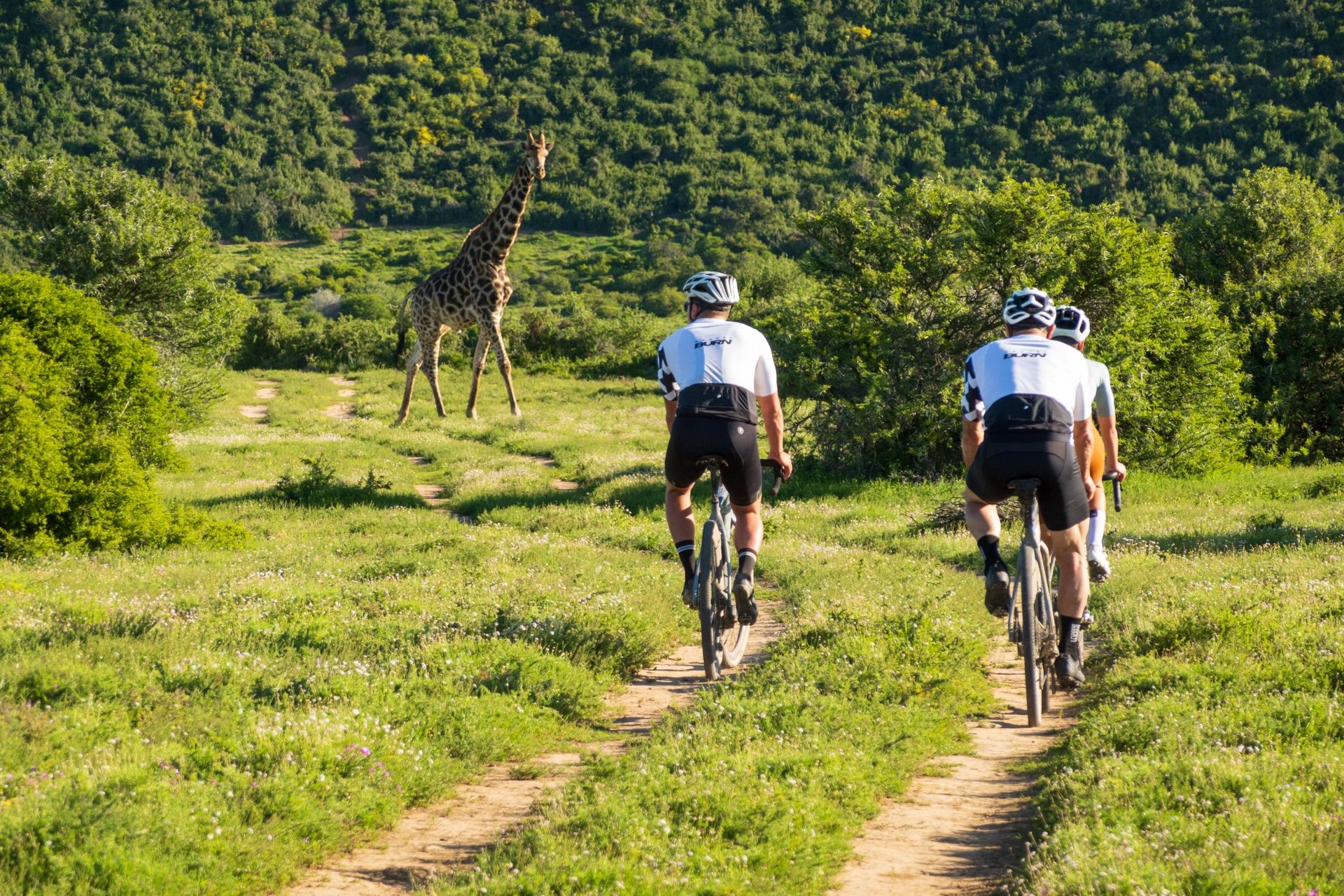
Two riders on a grassy track in Shamwari, with a giraffe ahead of them

Stages 6 and 7

Shamwari

Not a town but the race’s final home: a 25,000-hectare private game reserve inland from Gqeberha / Port Elizabeth, whose name means “friend” in Shona. Grassland, thicket and river valleys, with the Big Five, and the last Burn Camp of the week.

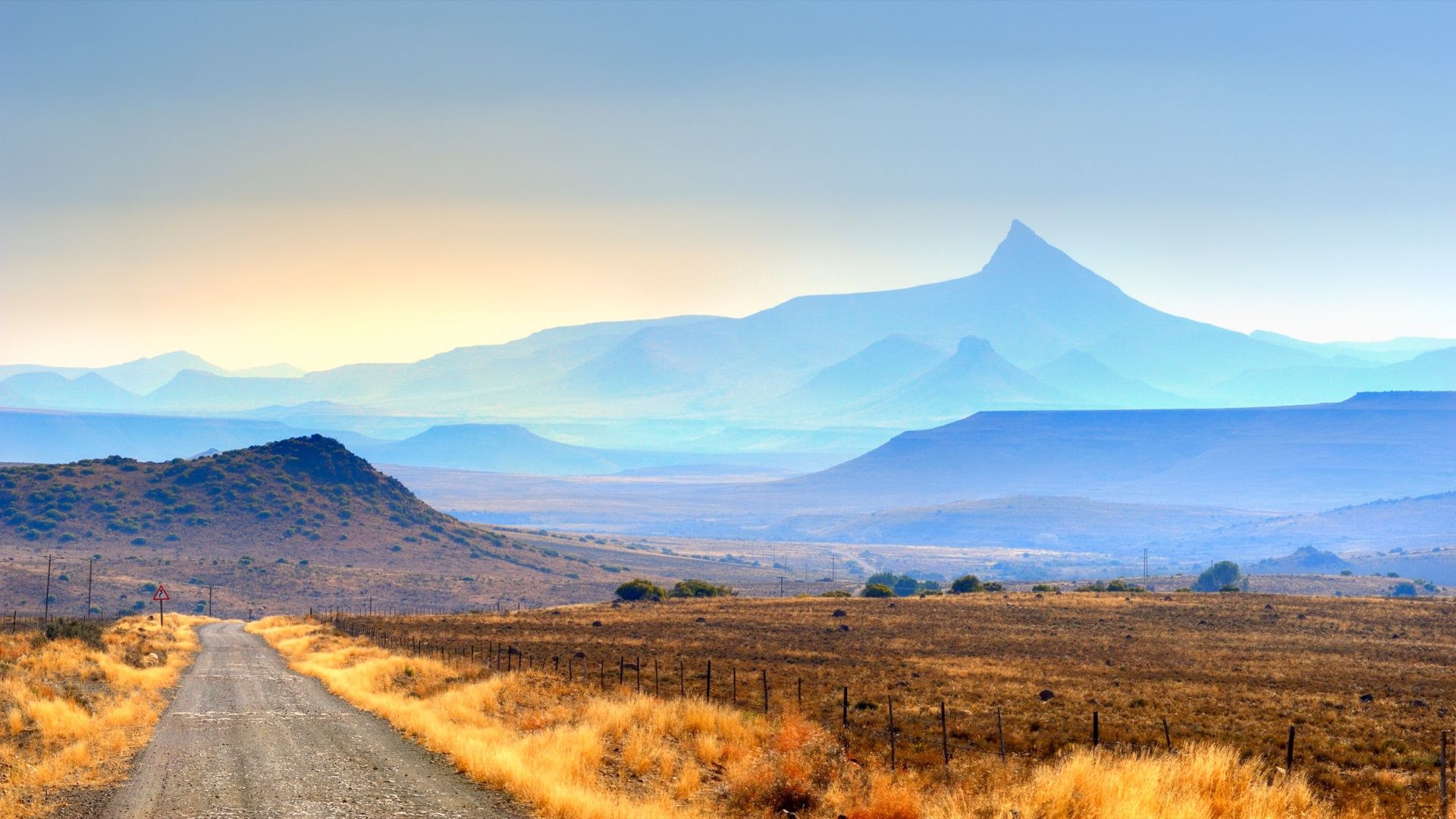
Compassberg’s peak rising above the Sneeuberg, with a gravel road through golden grass below

Compassberg · 2,502 m

The highest peak in the Sneeuberg

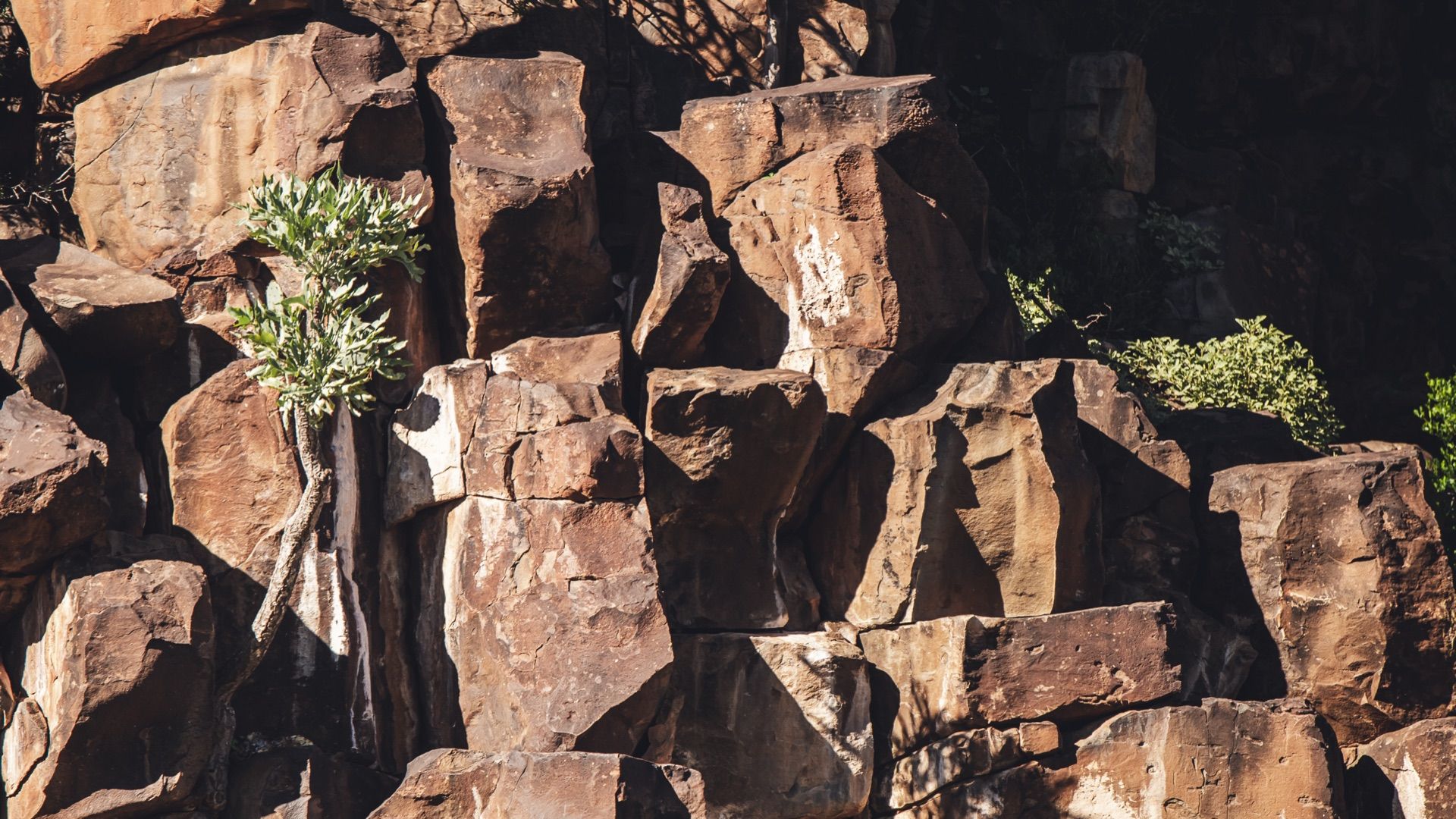
Rust-brown blocks of weathered dolerite on a Karoo hillside

Geology

252 million years under your wheels

The Karoo is a vast basin of sedimentary rock. For about 120 million years, from roughly 300 million years ago, rivers and lakes laid down layer upon layer of mud and sand, now the mudstones and sandstones of the Karoo Supergroup. The route rides over the Beaufort Group, one of the world’s richest records of life before the dinosaurs, including the mass extinction at the end of the Permian, 252 million years ago.

About 183 million years ago, as the supercontinent Gondwana began to break apart, molten rock forced its way into these layers and cooled as dolerite. Harder than the rock around it, the dolerite now caps the flat-topped mountains and pointed peaks such as Compassberg, and weathers into the dark, rust-brown “ironstone” boulders beside the road.

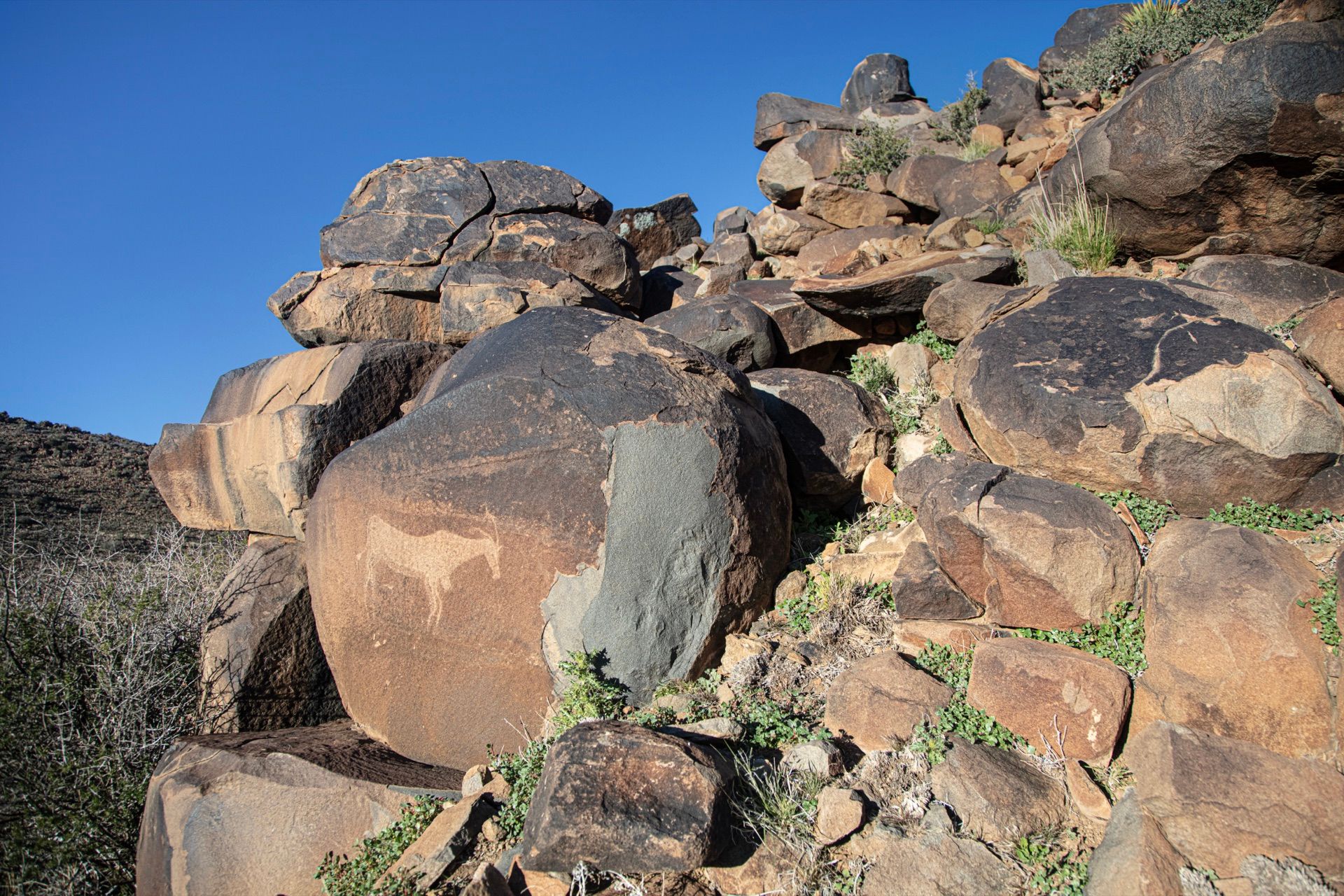
San rock engravings of eland on a boulder in the Great Karoo

History

Frontier country

For thousands of years the San hunted here and left their paintings and engravings on the rocks; Khoikhoi herders followed with their cattle and sheep, and Xhosa farmers lived to the east. From the 1700s, settler farmers (trekboers) pushed inland, and Graaff-Reinet was founded in 1786 as the seat of a frontier district. For a century the Eastern Cape frontier saw nine wars between the colonists and the Xhosa.

The region also shaped the struggle against apartheid. Robert Sobukwe, born in Graaff-Reinet in 1924, founded the Pan Africanist Congress and led the 1960 campaign against the pass laws. Held on Robben Island under a law passed for him alone, he died in 1978 and is buried in his home town, which now bears his name. In Cradock, the teacher and activist Matthew Goniwe and three comrades, the Cradock Four, were murdered by the security police in 1985. Cradock was also home to Olive Schreiner, author of The Story of an African Farm and an early campaigner for women’s rights.

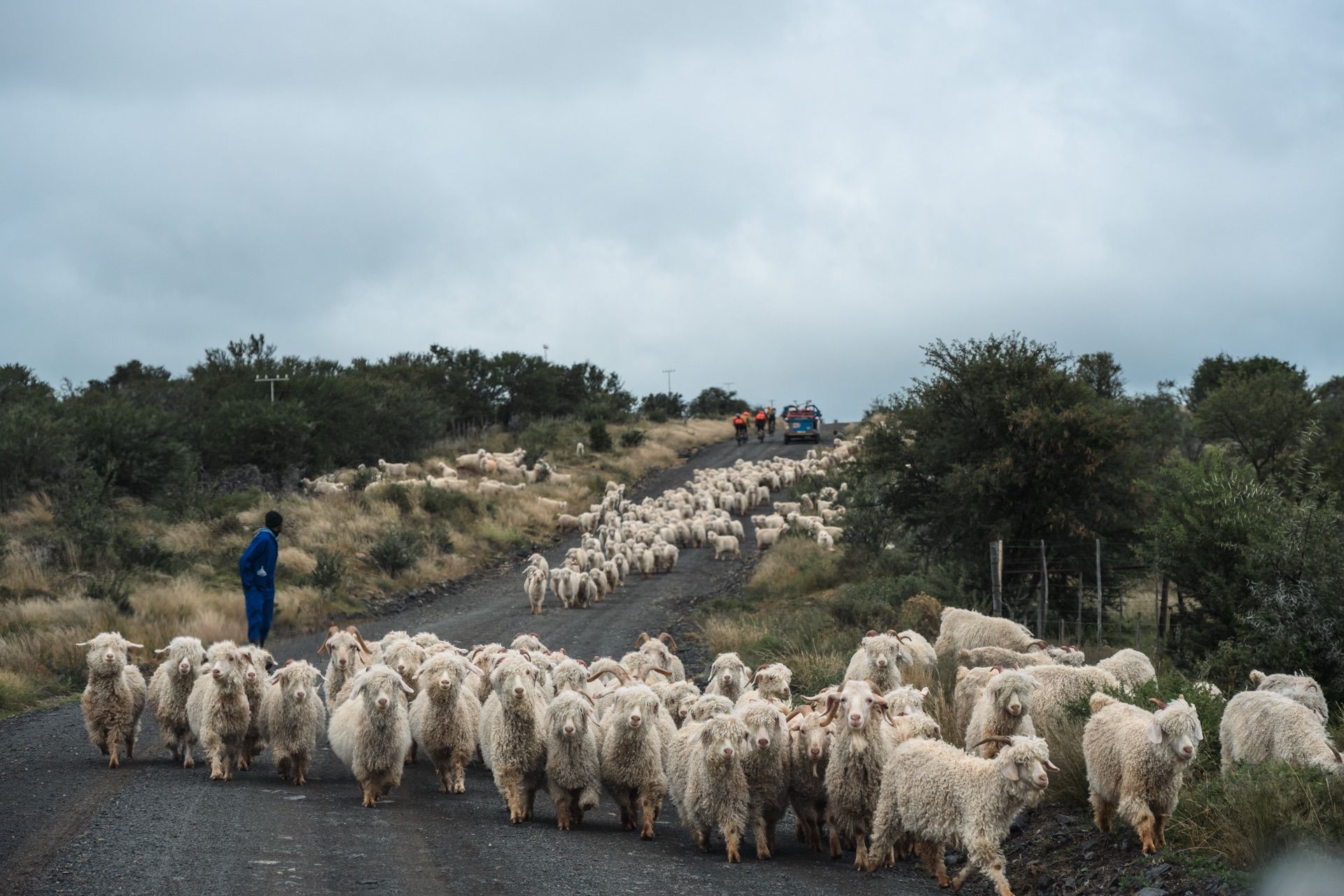
A herder walking a flock of Angora goats along a gravel road

Farming

Wool, mohair and Karoo lamb

Much of the route crosses working farms, many in the same family for four generations or more. The high mountain basins around Merino are the heartland of South Africa’s fine Merino wool, and the Eastern Cape Karoo is the home of the Angora goat: South Africa produces about half of the world’s mohair. Sheep grazing on the wild Karoo bossies give Karoo lamb its famous flavour, and along the Great Fish River irrigated valleys grow lucerne and support dairy farms.

The Burn Camps are hosted by these farmers: the Kingwill family at Blaauwater and Willie Jordan at Merino, both fourth-generation farmers on their own land.

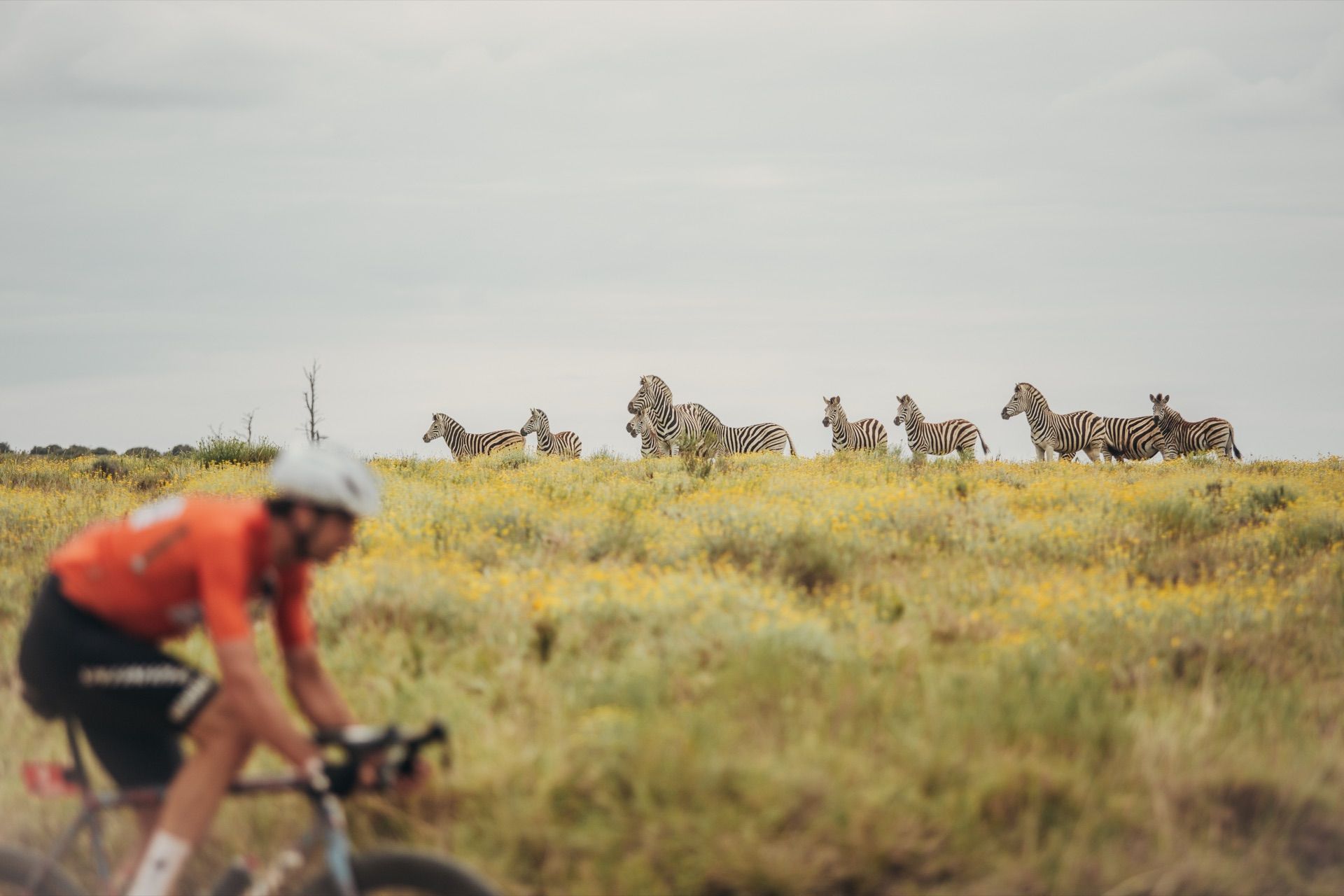
A rider passes a herd of zebras on the grassland of Shamwari

Fauna

Five to look out for

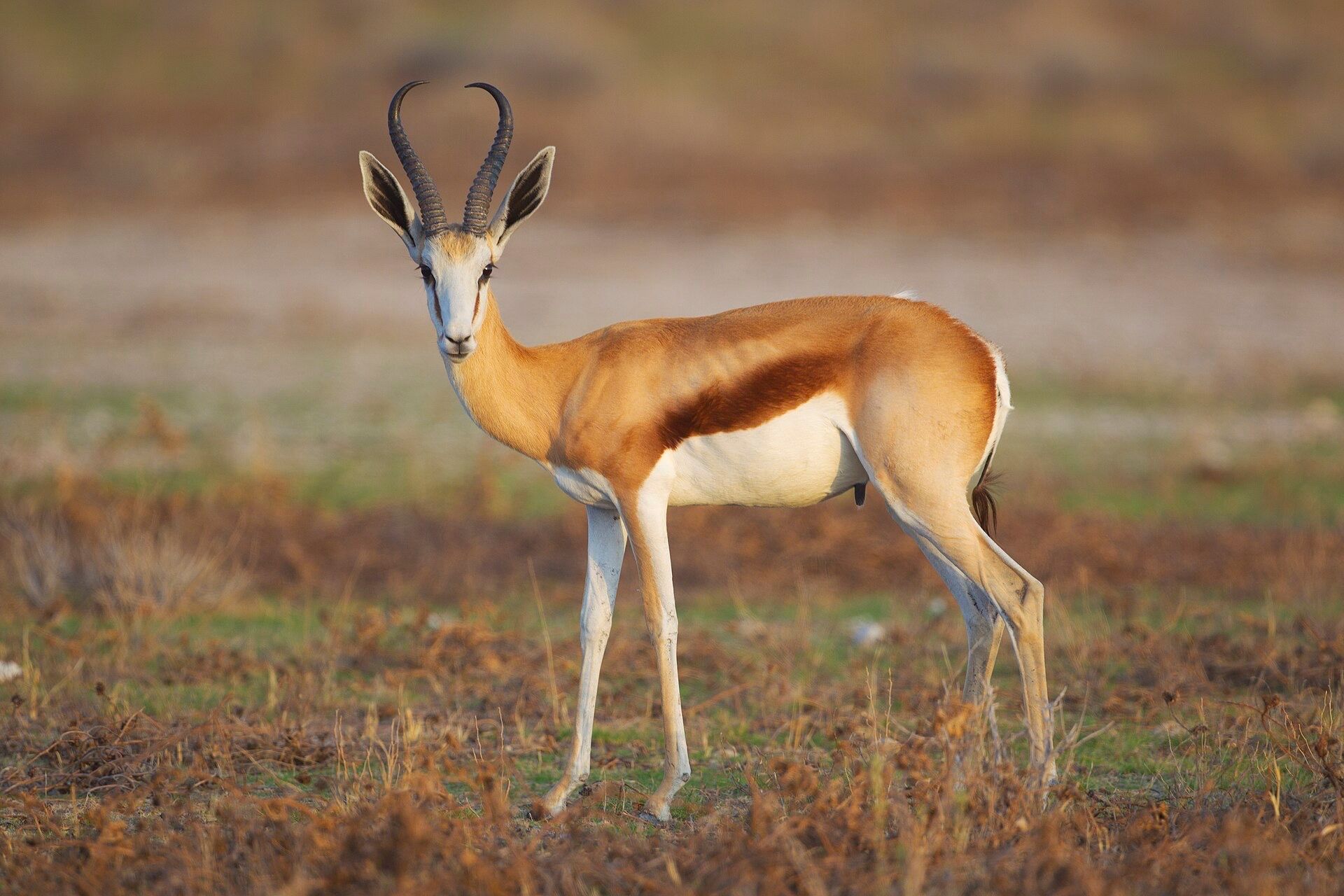
  1. A springbok ram standing on open veld01

    Springbok Antidorcas marsupialis

    South Africa’s national animal, grazing the open plains in herds and famous for “pronking”: leaping stiff-legged into the air.

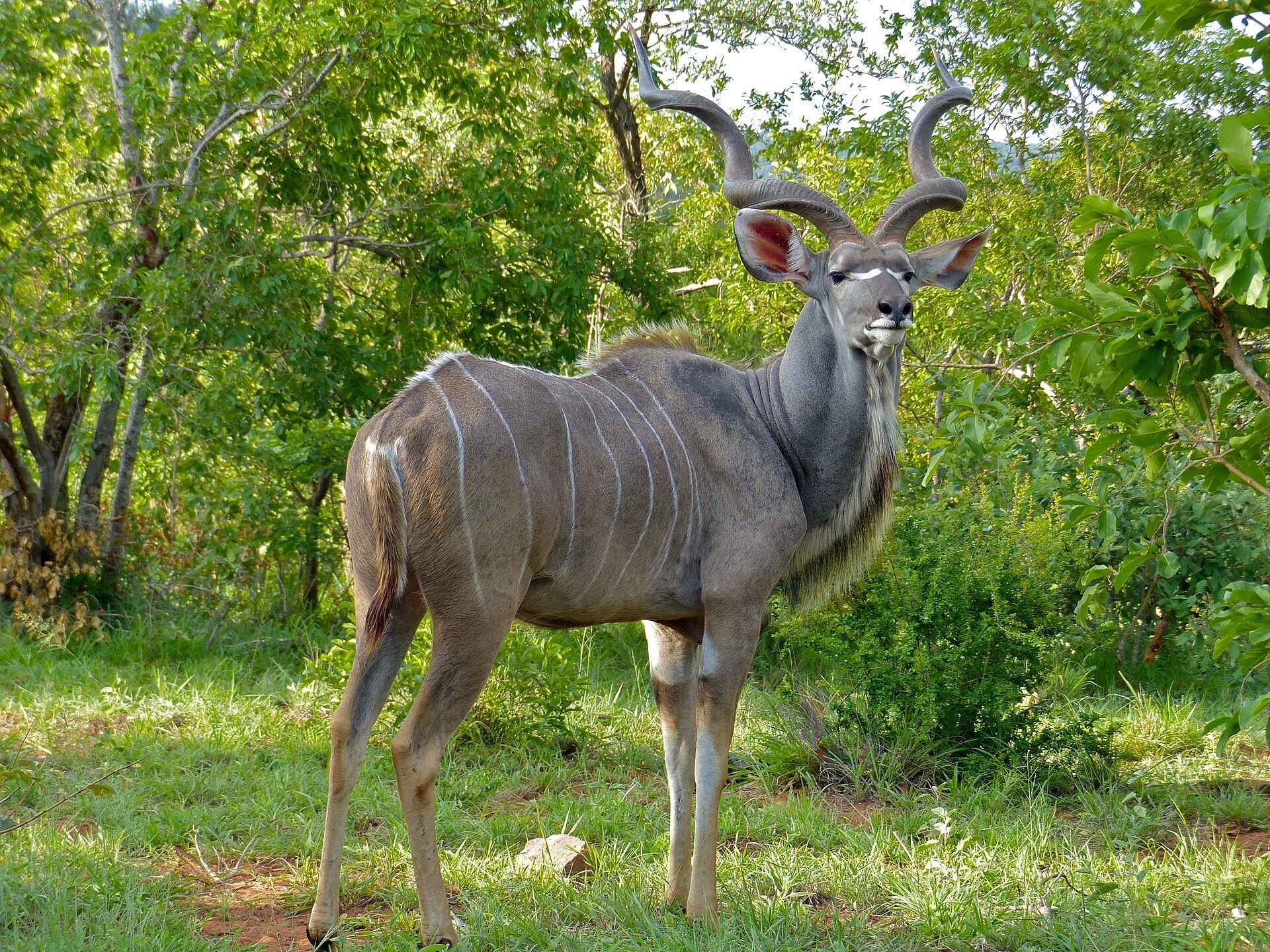
  2. A kudu bull with long spiral horns among green bushes02

    Kudu Tragelaphus strepsiceros

    The grey ghost of the thicket, the bulls with long spiral horns. A kudu horn sounds the start of the race.

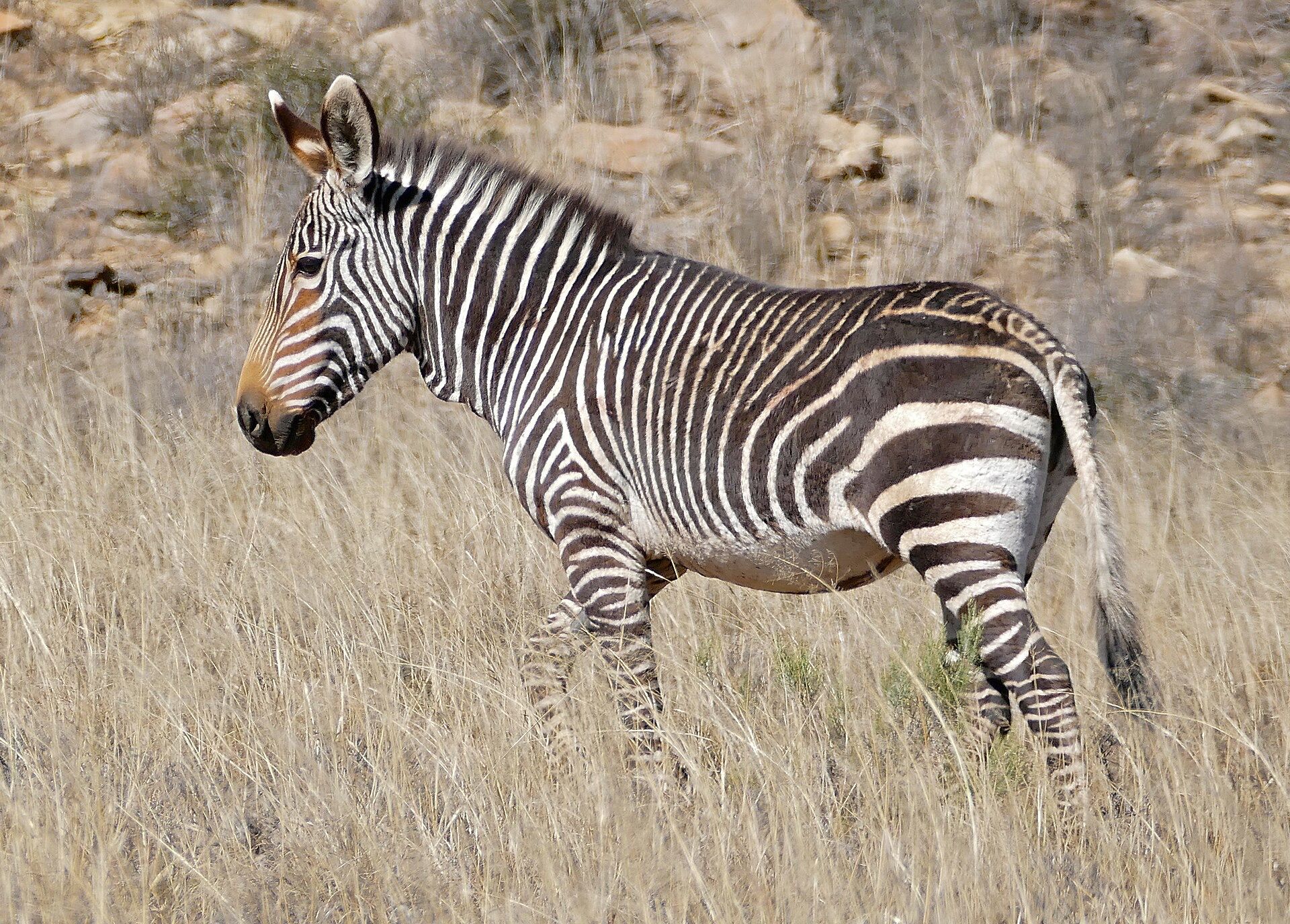
  3. A Cape mountain zebra in dry grass below a rocky slope03

    Cape mountain zebra Equus zebra zebra

    Smaller than the plains zebra, with a dewlap and bold stripes. Brought back from the brink of extinction at Mountain Zebra National Park, near Cradock.

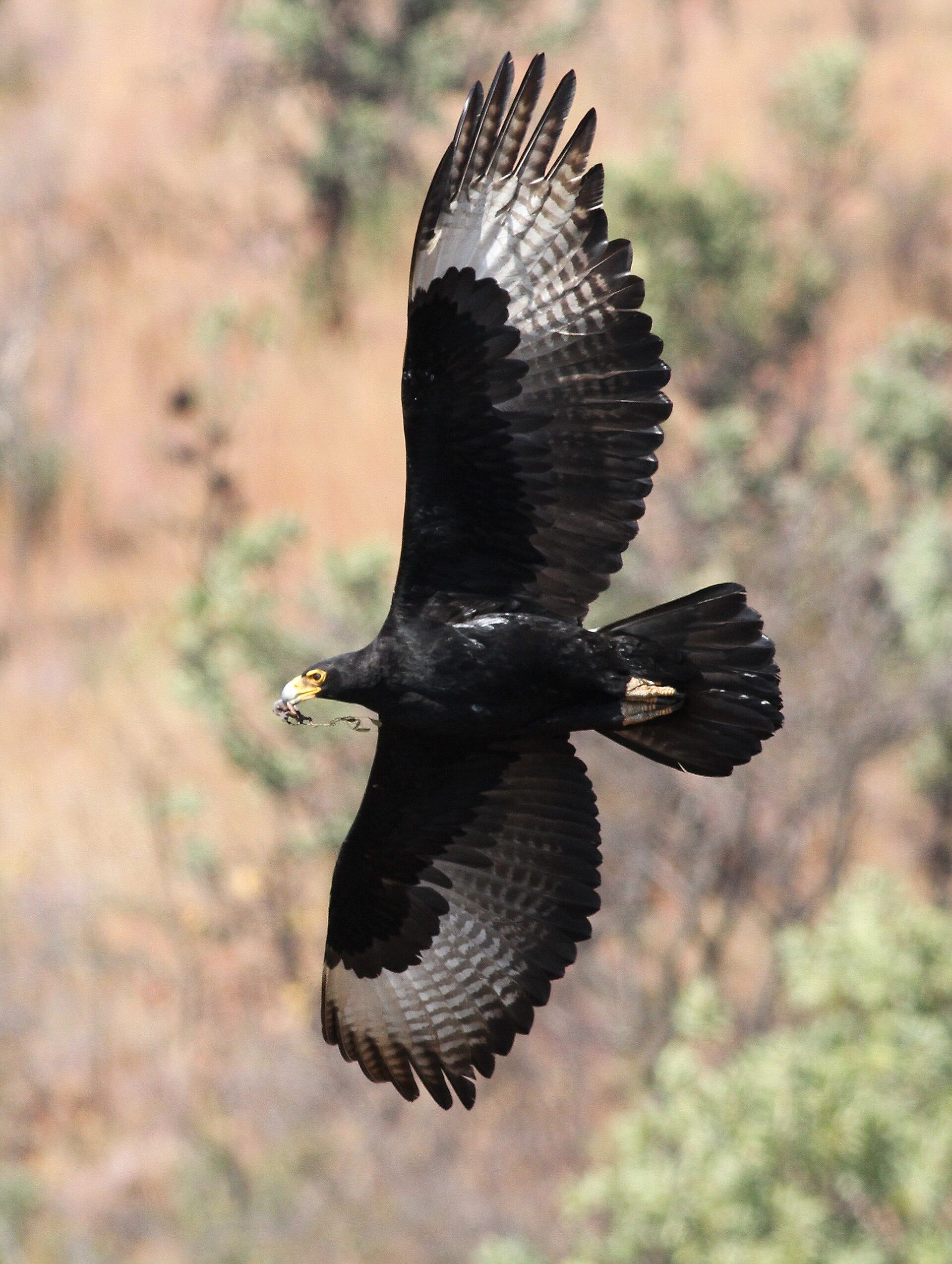
  4. A black Verreaux’s eagle in flight against a hillside04

    Verreaux’s eagle Aquila verreauxii

    The black eagle of the Karoo cliffs, nesting on the krantzes and hunting dassies (rock hyraxes) along the ridges.

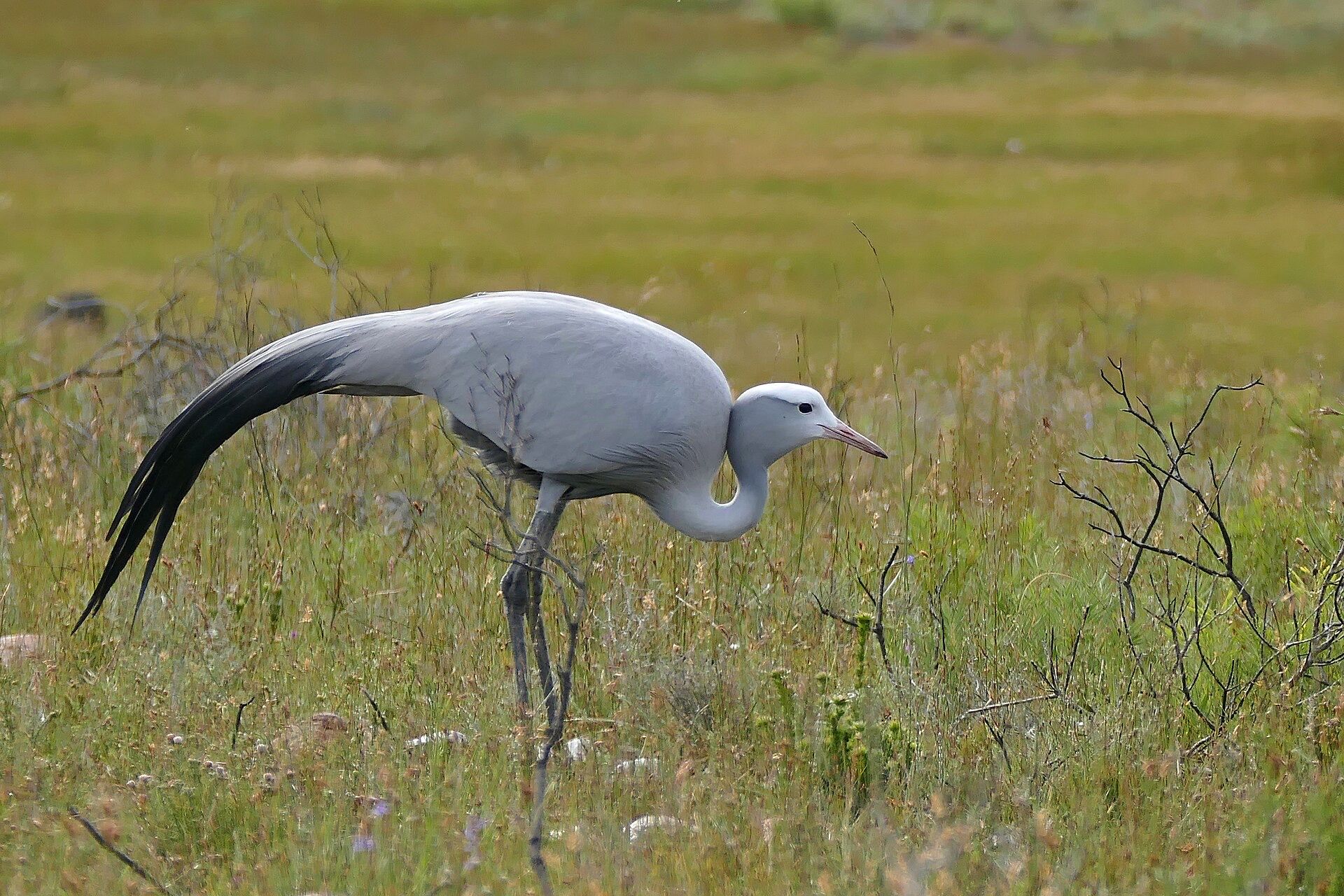
  5. A blue crane walking through green grassland05

    Blue crane Anthropoides paradiseus

    South Africa’s national bird, tall and silver-grey, often seen in pairs on the farmlands of the Karoo and the Eastern Cape.

Shamwari

The Big Five

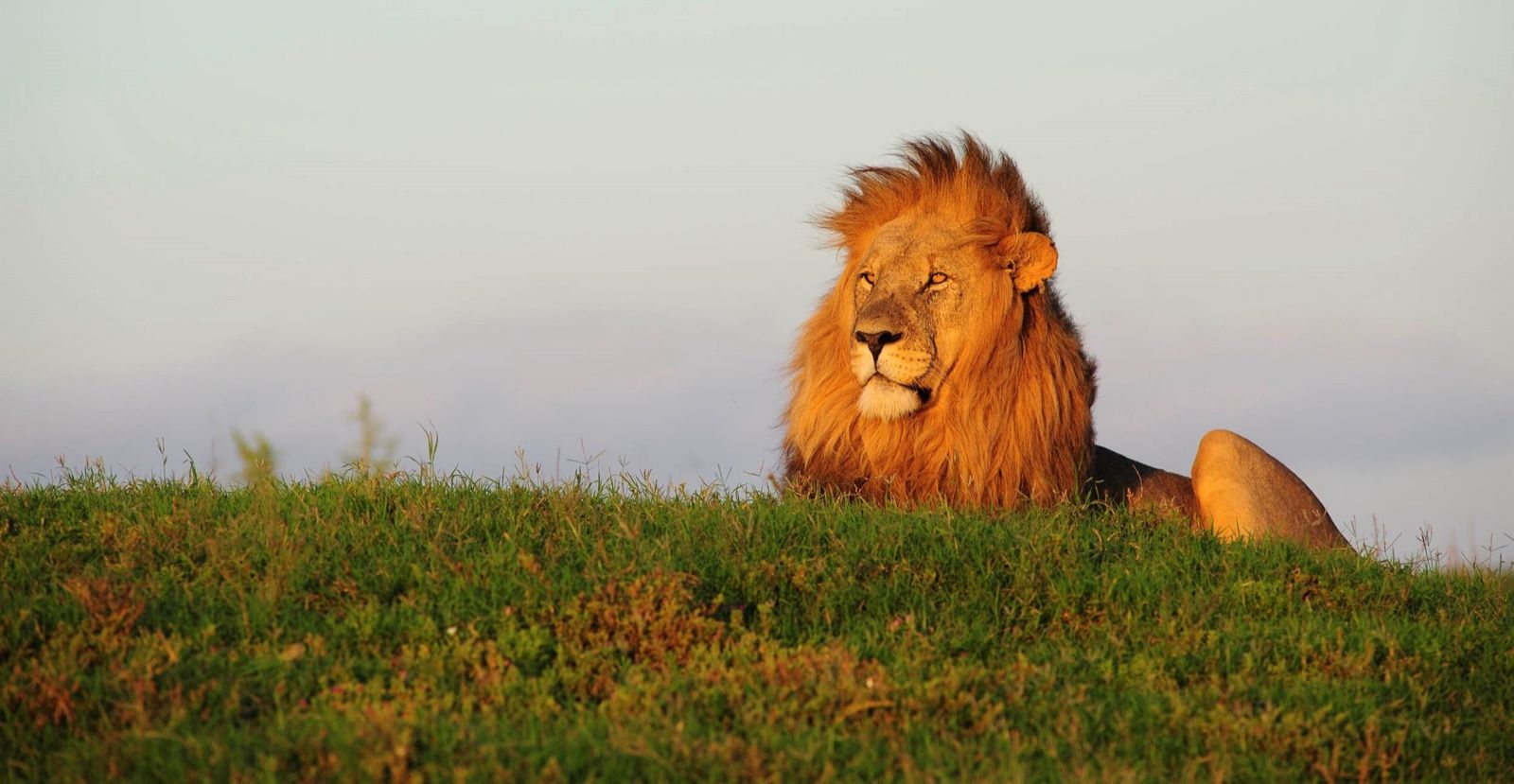
  1. A male lion with a golden mane lying in the grass at Shamwari01

    Lion Panthera leo

    Back in the Eastern Cape after an absence of more than a century, thanks to reserves like Shamwari.

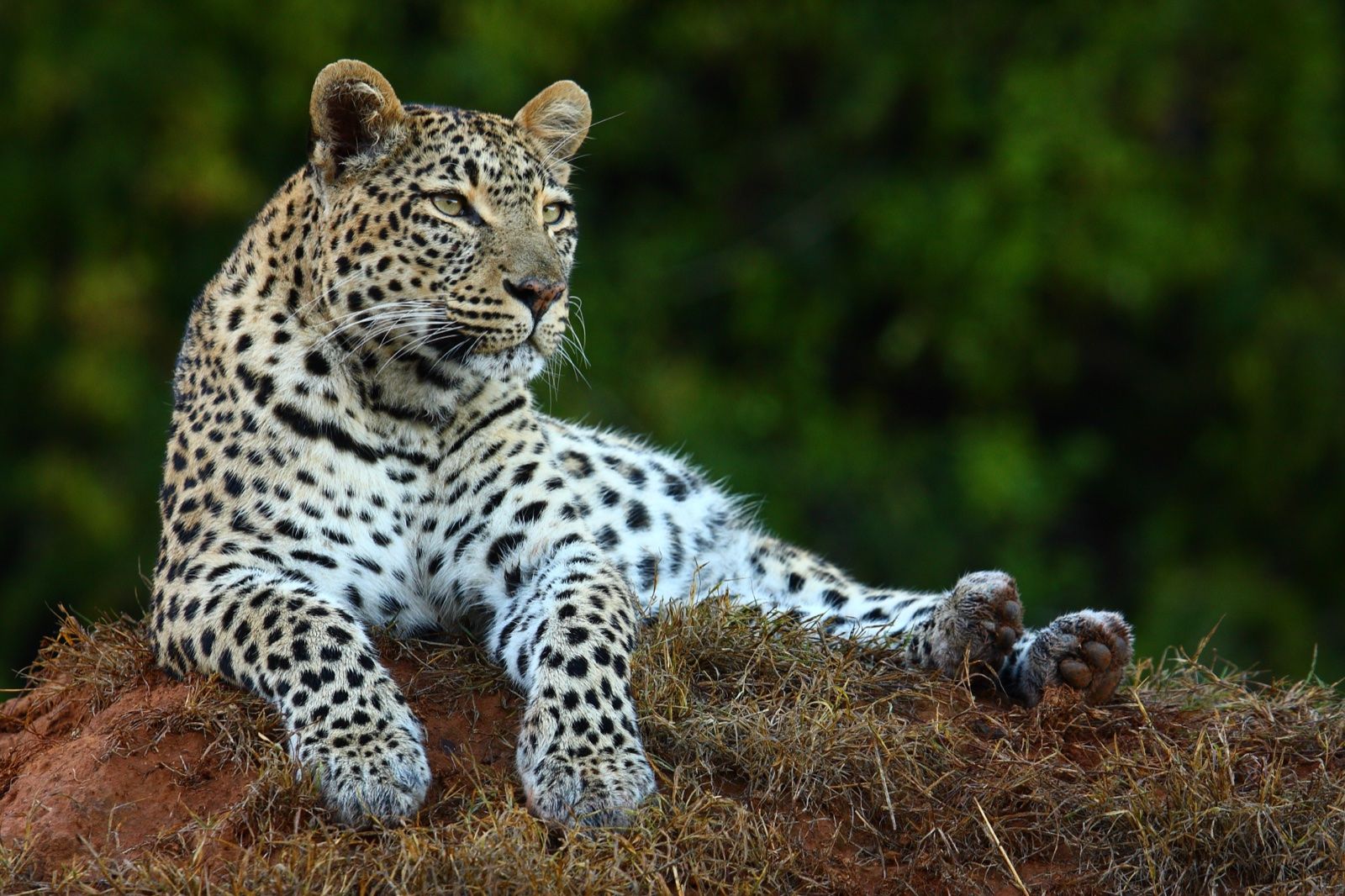
  2. A leopard resting on a termite mound at Shamwari02

    Leopard Panthera pardus

    Shy, solitary and the hardest of the five to spot. Shamwari runs a dedicated leopard protection project.

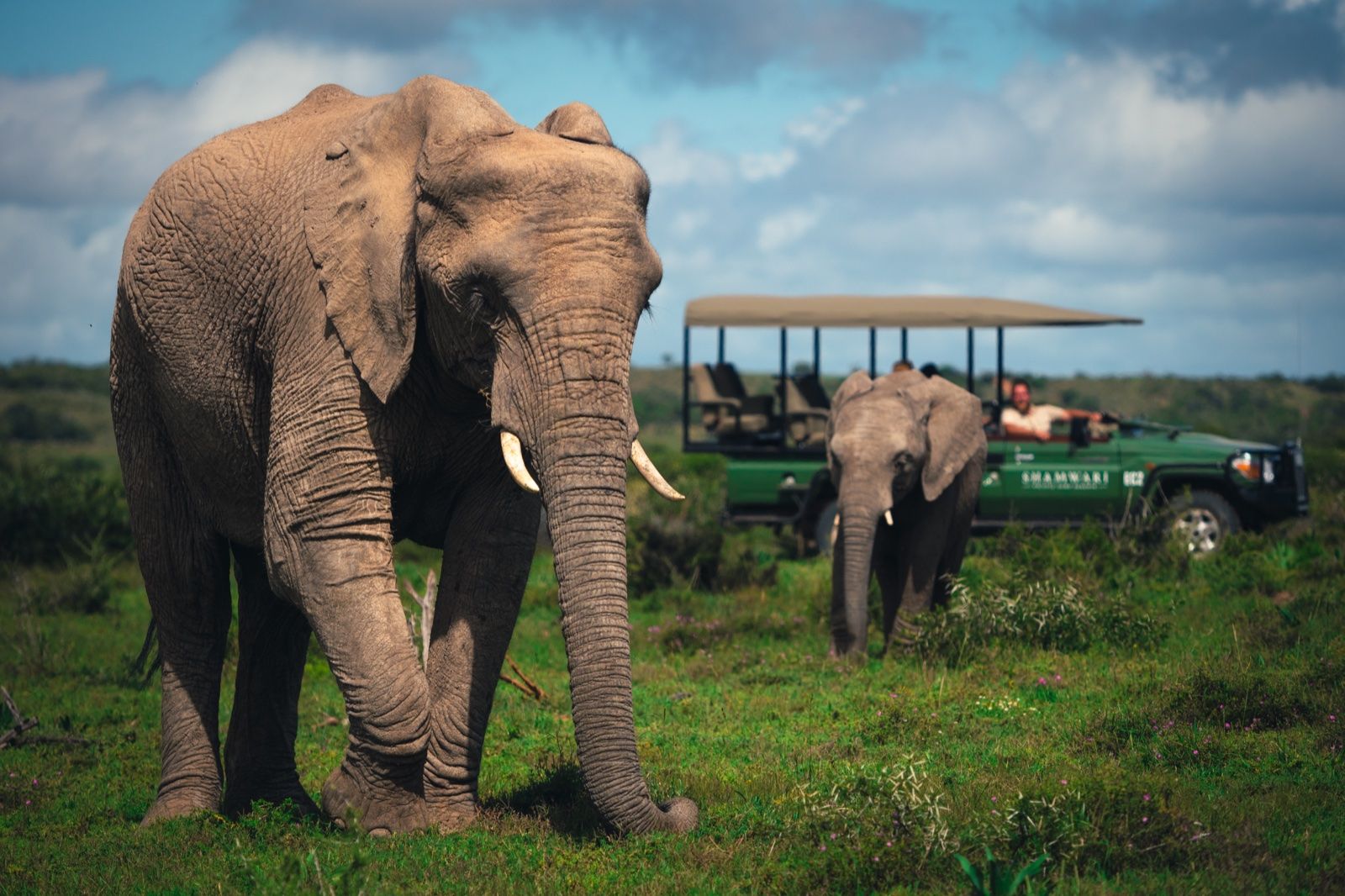
  3. An elephant bull at Shamwari, with a game-drive vehicle behind03

    Elephant Loxodonta africana

    Family herds browse the thicket, where spekboom is a favourite food. The largest land animal on Earth, up close.

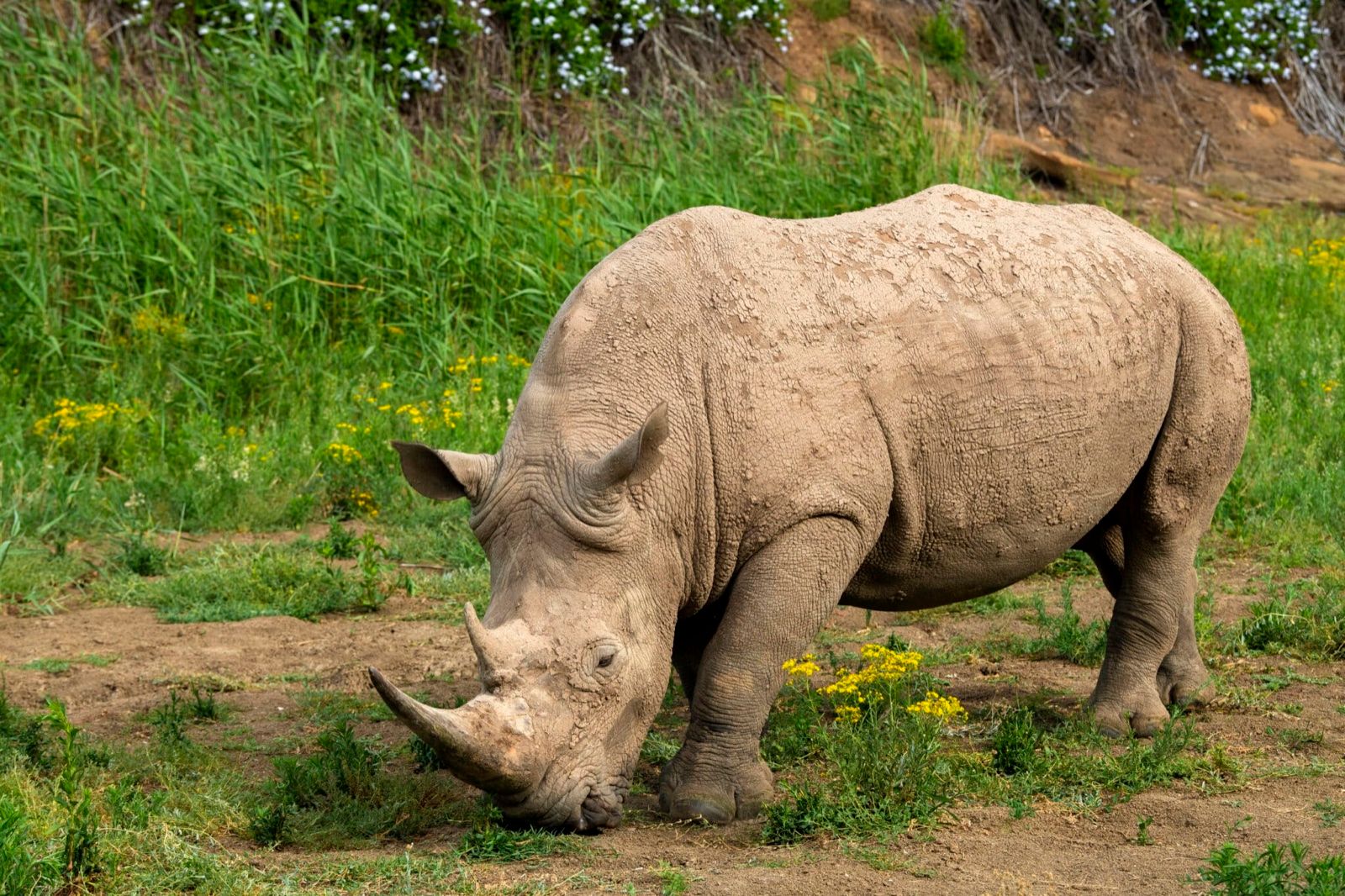
  4. A white rhino grazing on green grass at Shamwari04

    Rhino Ceratotherium simum, Diceros bicornis

    White and black rhino, guarded around the clock by Shamwari’s anti-poaching unit.

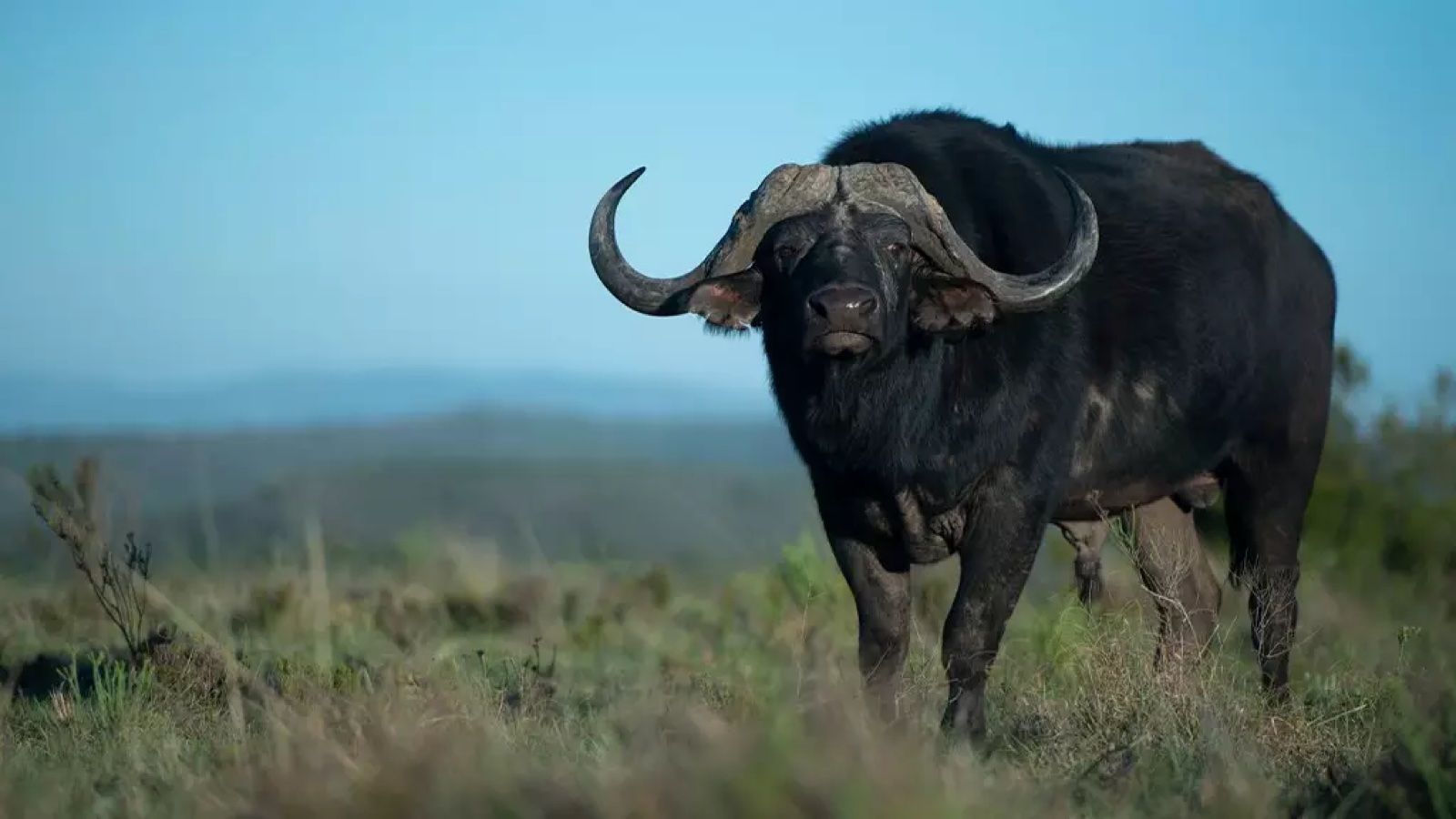
  5. A Cape buffalo bull with heavy curved horns on open grassland at Shamwari05

    Buffalo Syncerus caffer

    Unpredictable and powerful: to many rangers, the most dangerous of the five.

Riding among the Big Five. The route crosses at least 40 kilometres of Shamwari where the Big Five roam. On these sections, armed rangers are posted every few hundred metres to watch over the riders.

The Shamwari Burn Camp is in a breeding area of the reserve, from which the predators have been moved. All of Shamwari’s other animals still roam freely through it.

Flora

Tough, and beautiful

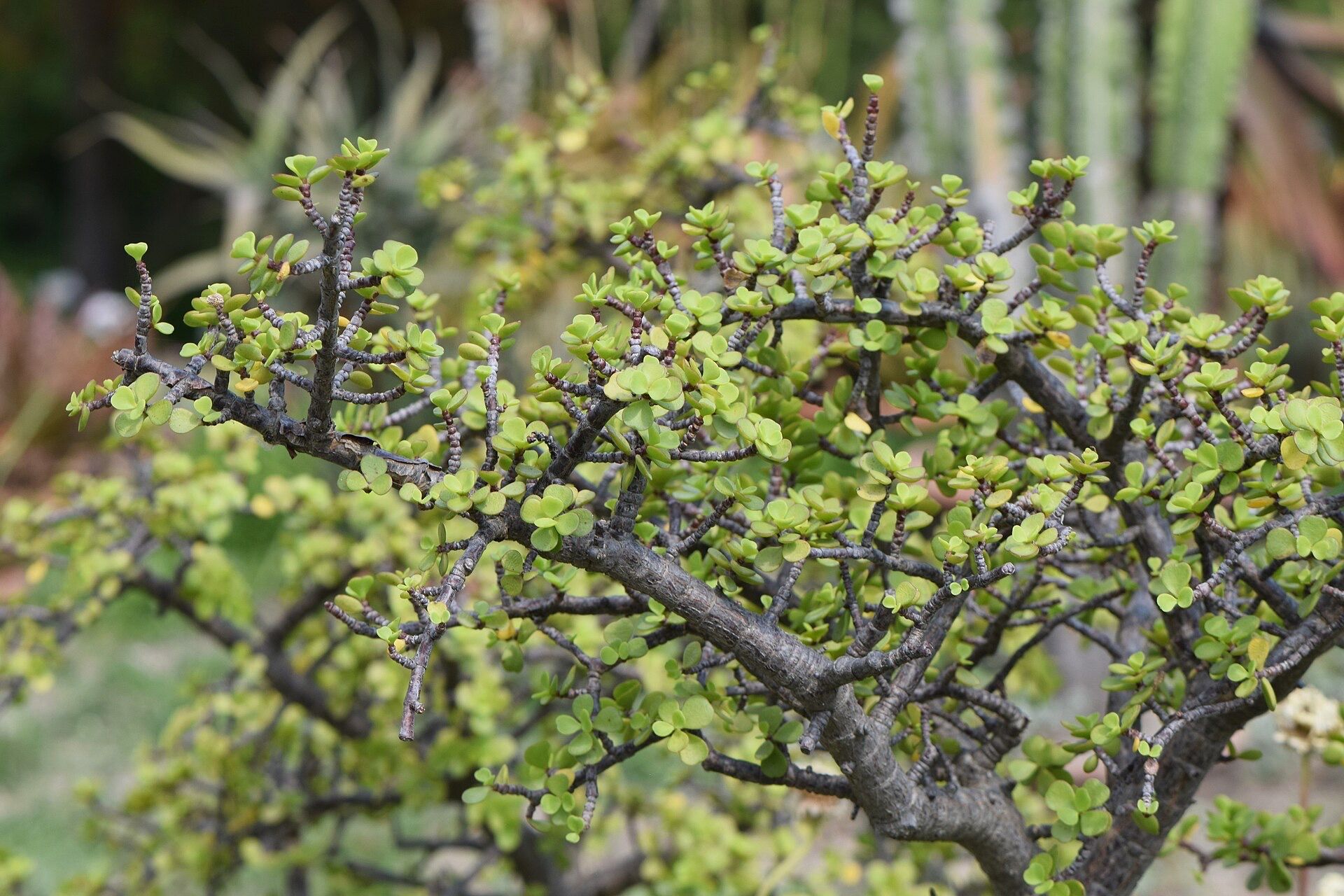
  1. A spekboom shrub with small round succulent leaves01

    Spekboom Portulacaria afra

    The succulent backbone of the Albany Thicket, able to capture up to four tonnes of carbon per hectare each year. Elephants eat it, and the pieces they drop take root.

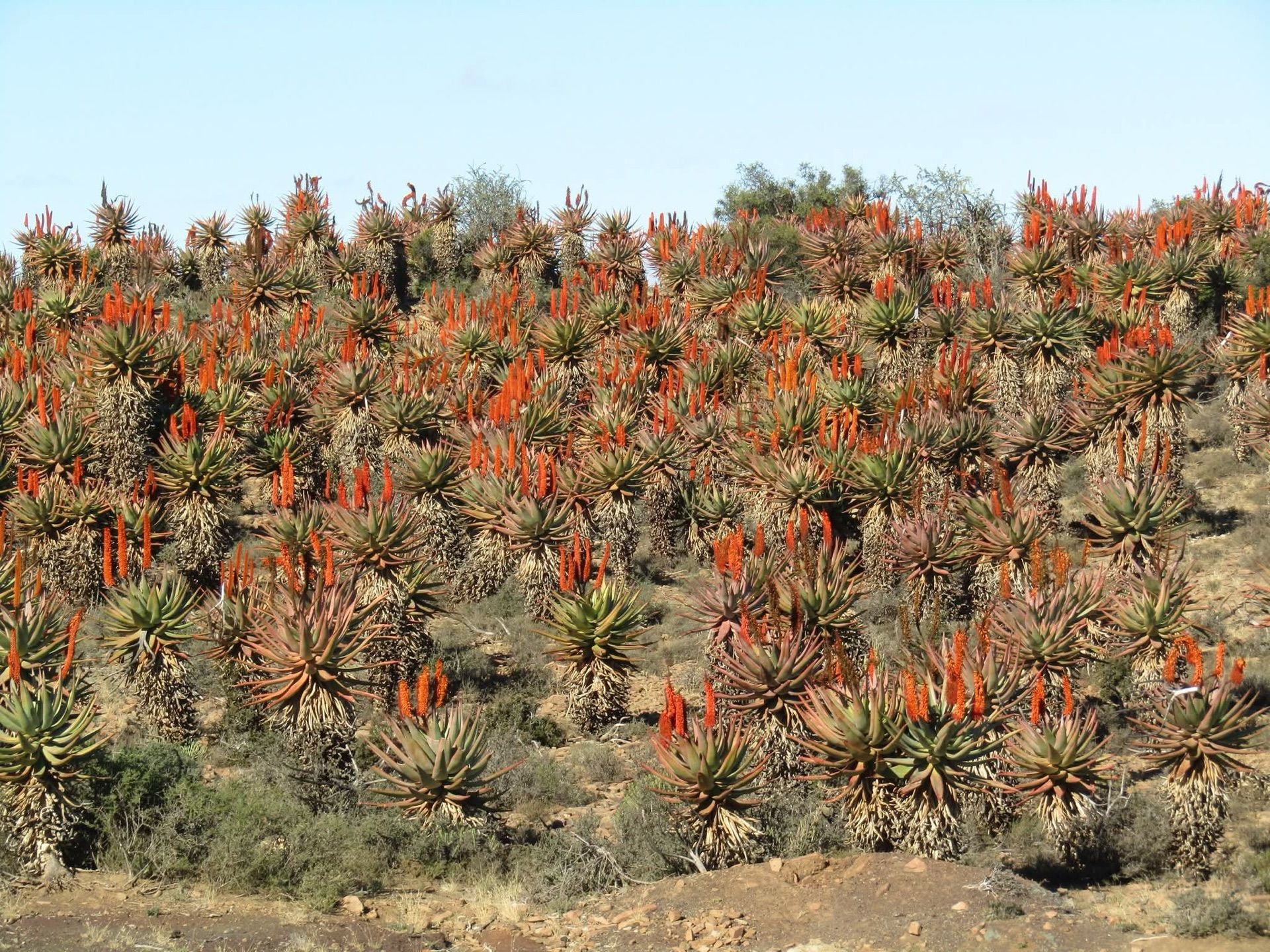
  2. A hillside covered in bitter aloes with orange-red flowers02

    Bitter aloe Aloe ferox

    Tall, single-stemmed aloes that cover the hillsides and light them with candelabras of orange-red flowers in winter.

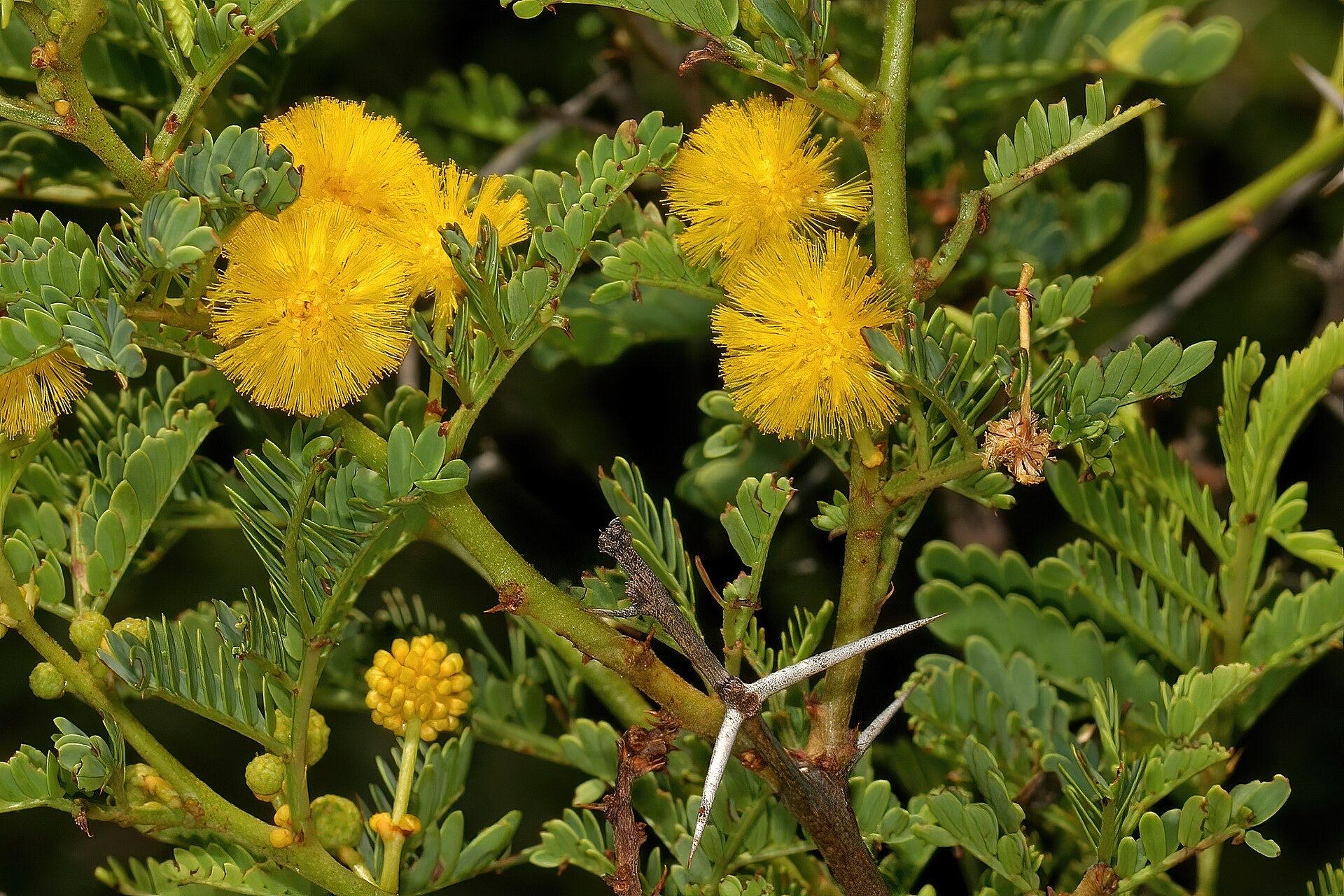
  3. Yellow pompom flowers and white thorns of a sweet thorn03

    Sweet thorn Vachellia karroo

    The tree named after the Karoo: long white thorns, yellow pompom flowers in summer, and shade along every dry riverbed.

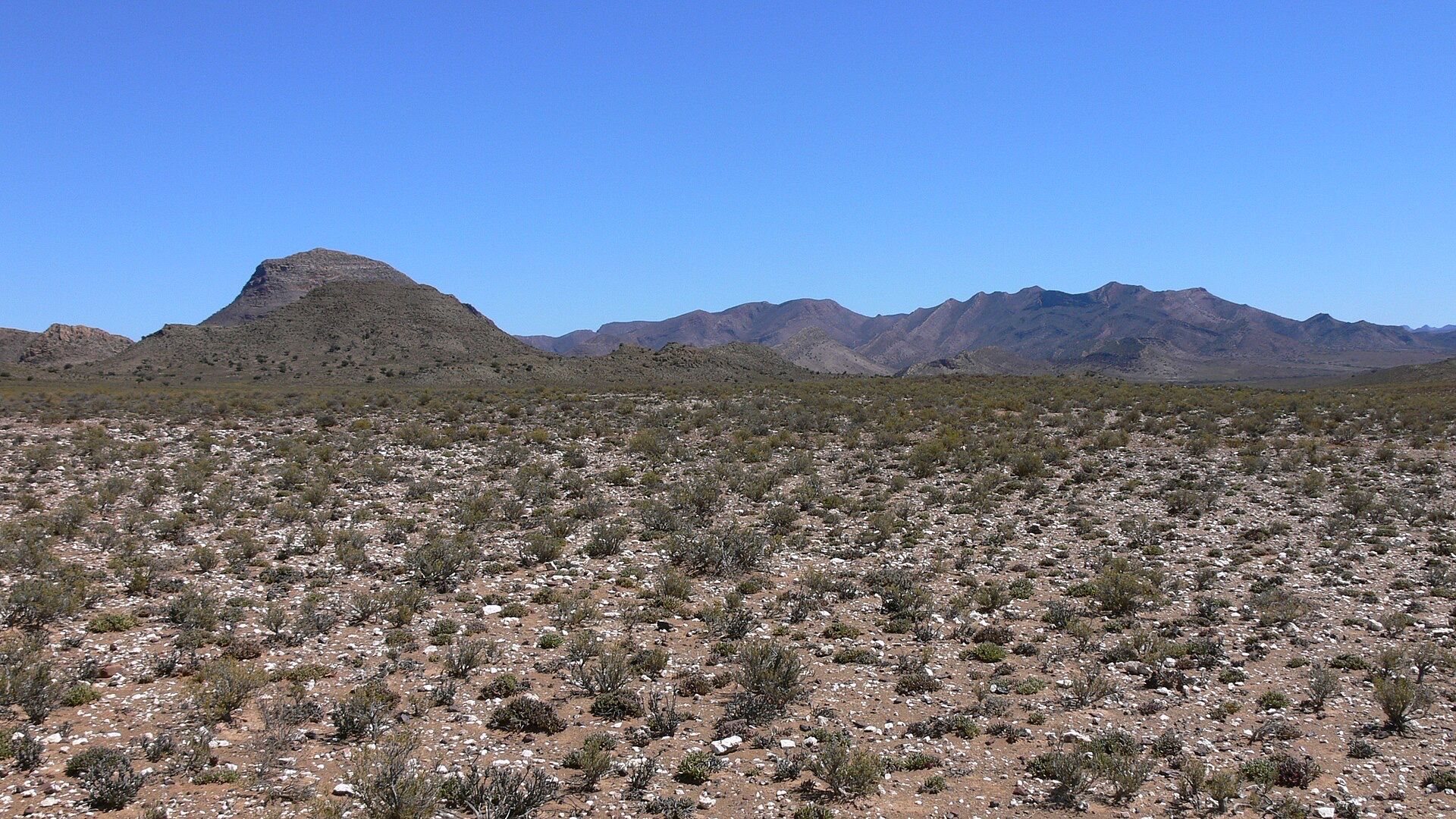
  4. Low Karoo shrubs covering a stony plain below the mountains04

    Karoo bossies Dwarf shrubs

    The low, aromatic bushes that cover the plains and give Karoo lamb its flavour.

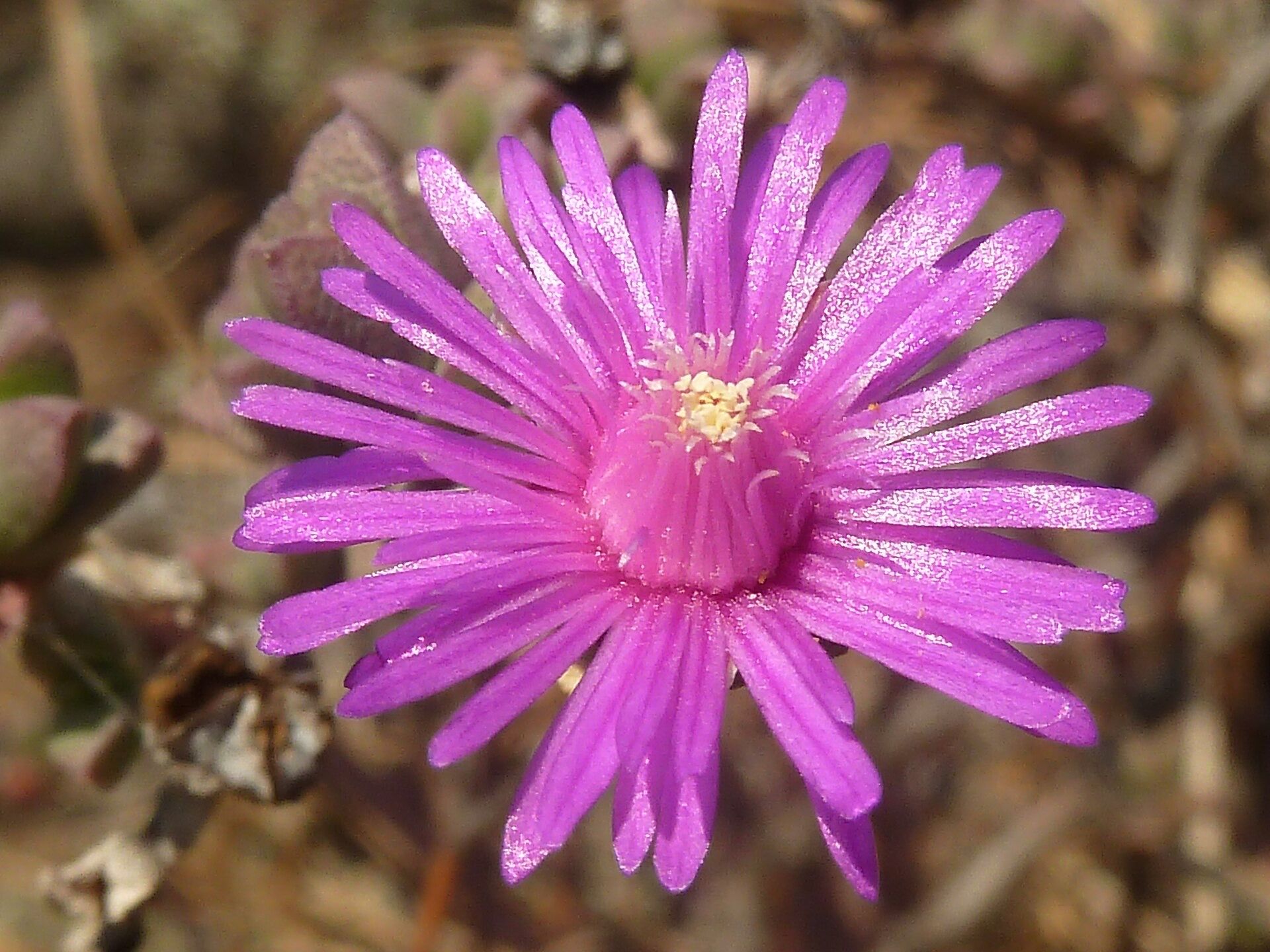
  5. A bright pink vygie flower05

    Vygies Mesembs

    Small succulents that carpet the veld in pink, purple and yellow after rain.

The Sneeuberg foothills: folded golden hills and valleys under a blue sky

Conservation

Giving the land back to nature

In the Sneeuberg, farmers have joined their land to the Mountain Zebra–Camdeboo Protected Environment, declared in 2016, which links Camdeboo National Park at Graaff-Reinet with Mountain Zebra National Park at Cradock and protects the mountain grasslands and the plants found only here, while the farms keep working.

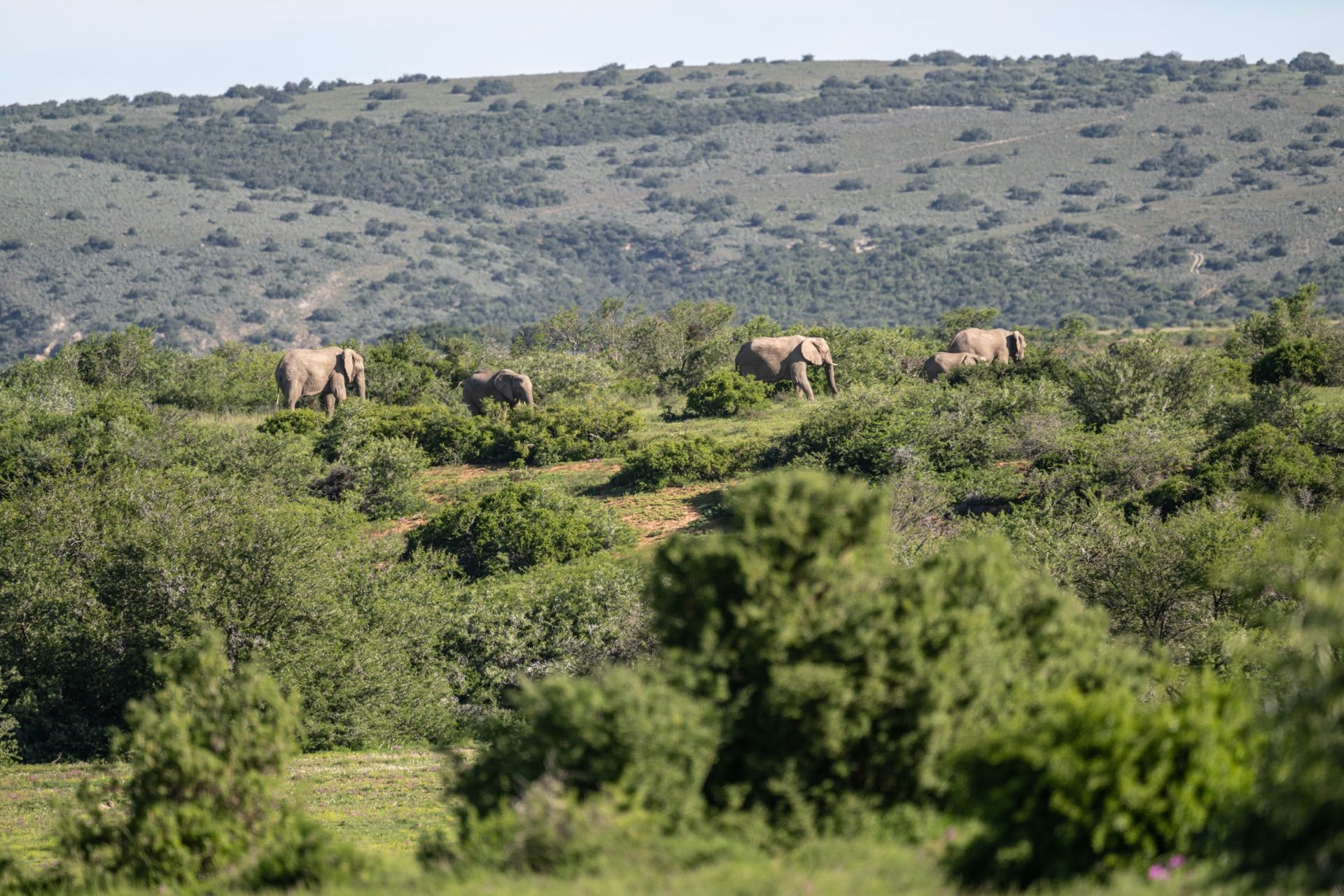
A herd of elephants moving through green thicket at Shamwari

Shamwari

Rewilding the Eastern Cape

Shamwari began in the early 1990s on worn-out farmland, with a single aim: to return the land to the ecosystem that existed before farming and hunting drove the wildlife out. The thicket and grassland recovered, and the animals were brought back, among them the Big Five. Today its 25,000 hectares are a benchmark for private conservation.

The work goes on behind the scenes. A dedicated anti-poaching unit protects the reserve’s rhinos. The Shamwari Wildlife Rehabilitation Centre treats sick, injured and orphaned wild animals so they can return to the wild. And with the Born Free Foundation, Shamwari gives lions and leopards rescued from captivity a lifelong home in two big cat sanctuaries.

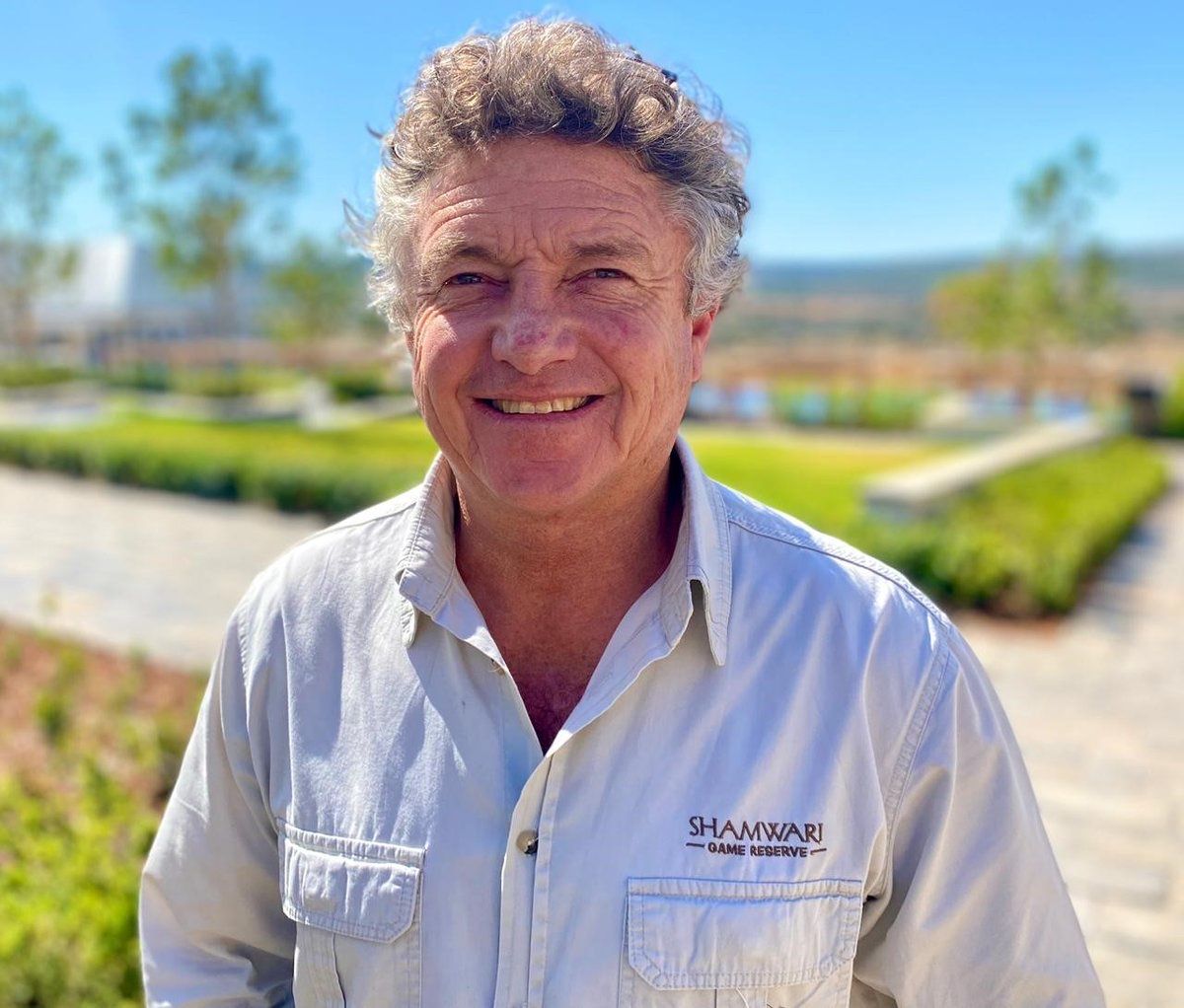
Joe Cloete, CEO of Shamwari Private Game Reserve

We started in 1992, and the whole objective and vision of Shamwari was to rewild this part of the Eastern Cape. For 364 days of the year, you can’t ride here. This is a unique opportunity in a truly special and protected place.

Joe CloeteCEO, Shamwari Private Game Reserve

The route, stage by stageLife in the Burn Camps

Photos of the Big Five courtesy of Shamwari Private Game Reserve. Other wildlife and plant photos from Wikimedia Commons: Springbok, Yathin S Krishnappa (CC BY-SA 3.0); Kudu, Bernard Dupont (CC BY-SA 2.0); Cape mountain zebra, Bernard Dupont (CC BY-SA 2.0); Verreaux’s eagle, Derek Keats (CC BY 2.0); Blue crane, Bernard Dupont (CC BY-SA 2.0); Spekboom, Krzysztof Ziarnek, Kenraiz (CC BY-SA 4.0); Sweet thorn, SAplants (CC BY-SA 4.0); Karoo bossies, Winfried Bruenken (CC BY-SA 2.5); Vygies, JMK (CC BY-SA 3.0).